




News Global Market Mexico 1632 30 April 2026
This decision was a response to the U.S. imposition of 50% tariffs and will help reduce the country's economic dependence
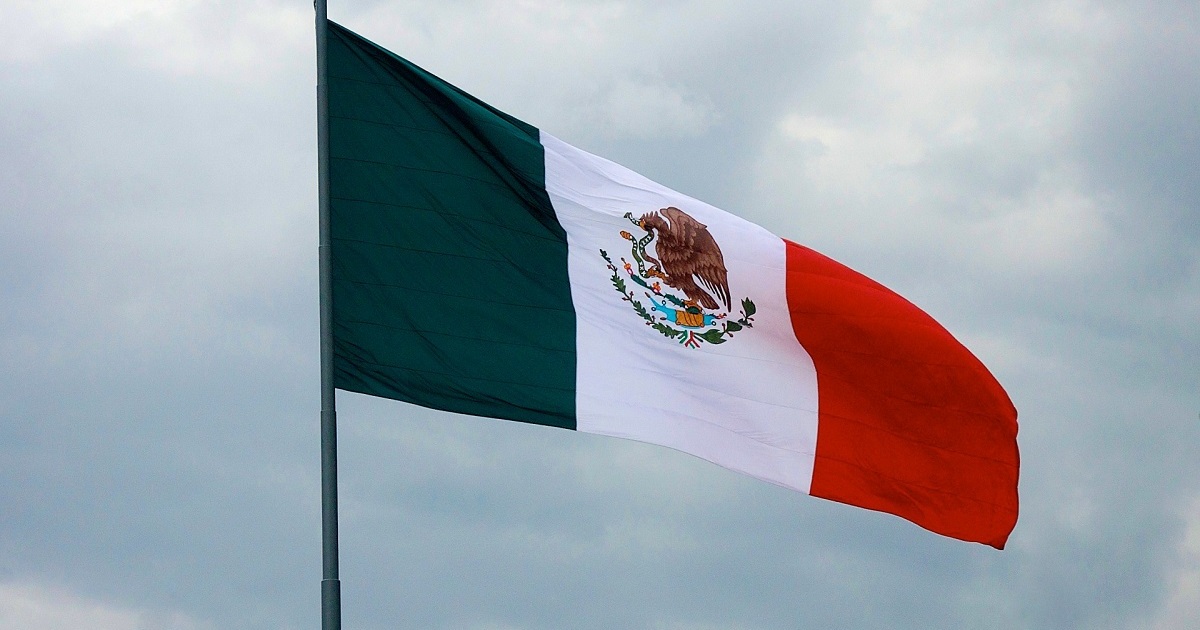
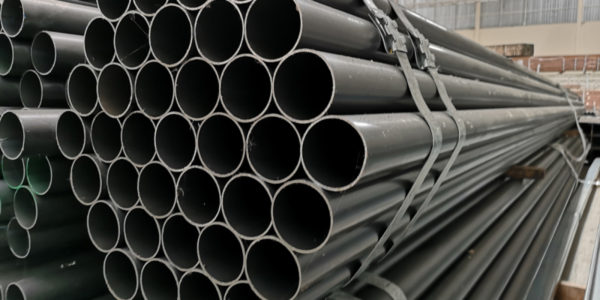
Mexican President Claudia Sheinbaum announced the introduction of a rule requiring all federal construction projects to use steel exclusively from Mexican companies. This move comes in response to a failed attempt to reach an agreement with the United States on lifting tariffs on Mexican steel products, according to Reuters.
In this way, Mexico is attempting to reduce its significant economic dependence on the U.S., which currently accounts for 80% of its exports.
Mexican officials have repeatedly emphasized the unfairness of U.S. tariffs, as the U.S. has a trade surplus in steel and aluminum with Mexico. Currently, Mexico’s steel and automotive industries ship more than 50% of their products to the United States.
During negotiations, Mexico proposed a scheme under which a certain volume of products could be imported into the U.S. duty-free or at a reduced rate, while imports exceeding the established limit would be subject to a full 50% tariff. However, during a visit to Mexico, U.S. Trade Representative Jamison Greer told industry representatives not to expect these tariffs to be eliminated, even as part of the USMCA (United States–Mexico–Canada Agreement) renegotiation.
This policy by the Mexican government marks a shift in course: whereas the country previously refrained from taking steps that might irritate its largest trading partner, it is now following the example of other countries (notably Canada) in an effort to diversify its economy and protect its domestic market.
As a reminder, the 50% tariffs on steel and aluminum were introduced by Donald Trump in 2025. Mexican officials called these measures unfair, as the U.S. has a trade surplus in metals with Mexico, and the failure of negotiations to lift these tariffs forced the Mexican government to impose its own restrictions in favor of domestic producers.
As reported by GMK Center, last spring Mexico updated its investment plan, which includes measures aimed at increasing domestic production, particularly steel output, in response to U.S. tariffs. In addition, the country began requiring registration for imports of steel products, which entails companies providing data on the mills from which the imported material originates.
-

Opinions Industry steel consumption
13 July 2026
13 July 2026

13 July 2026

13 July 2026