




News Industry decarbonization 3949 30 September 2025
The country plans to reform the steel industry and introduce a carbon tax
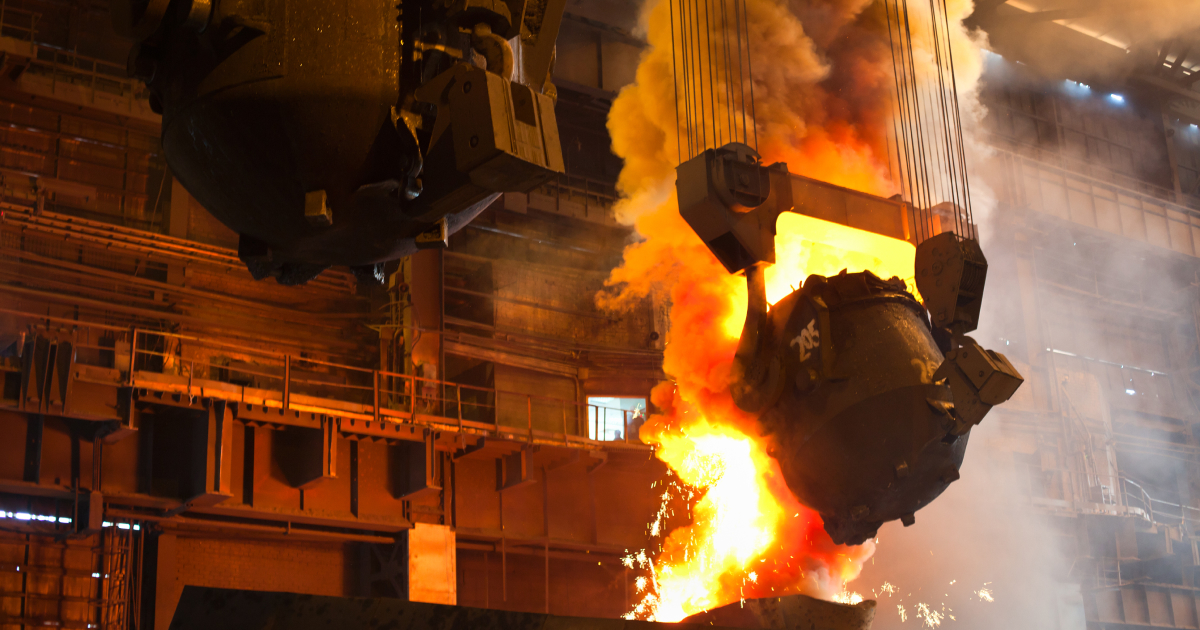
Malaysia plans to reform its steel industry with the aim of managing excess capacity, restructuring licensing, and preparing for decarbonization so that the sector becomes “completely green” by 2050. This was announced by Minister of Investment, Trade, and Industry Tengku Zafrul Aziz, according to Reuters.
According to him, metallurgy is one of the most carbon-intensive industries in the country, exposing it to regulatory market barriers and making decarbonization a necessity.
The published ten-year roadmap (Steel Industry Roadmap 2035) for the steel sector includes establishing clear licensing guidelines for manufacturers, introducing a carbon pricing system, and expanding access to financing for the transition to “green” production with higher added value.
Malaysia’s metallurgical industry also faces an imbalance between domestic supply and demand. Production capacity is projected to reach 40.8 million tons by 2030, while demand is estimated at only 14.7 million tons.
As the minister pointed out, this gap indicates excess capacity – underutilized assets, low return on investment, and market conditions that weaken competitiveness.
Tengku Zafrul also proposed that the ASEAN regional bloc create a database on capacity and its utilization.
According to the Steel Industry Roadmap 2035, Reccessary writes, the government aims to introduce a carbon tax as early as 2026 to stimulate the decarbonization of the steel industry. The funds will be directed to a new Carbon Competitiveness Fund, which will be used to finance the introduction of low-carbon technologies, market expansion, and export competitiveness.
Additional carbon pricing instruments, such as an emissions trading scheme (ETS) and a cap-and-trade system, are expected to be introduced from 2027. Steel producers will also be required to disclose emissions information and comply with internationally agreed green steel standards.
The relevant ministry also plans to introduce an initiative to purchase local low-emission steel. This will be achieved by adjusting procurement rules for public infrastructure and developing recommendations for incentives for private companies.
It should be recalled that in the summer of this year, the Ministry of Investment, Trade, and Industry commissioned the Malaysian Steel Association (MSA) to formulate a roadmap for the country’s metallurgical industry’s environmental transition. The strategy was to consider sources of funding, both public and private. The roadmap was planned to be integrated with the New Industrial Master Plan 2030 and other documents.
-

Opinions Industry steel consumption
13 July 2026
25 July 2026
23 July 2026
22 July 2026