




News Companies видобуток руди 3881 24 October 2025
In the third quarter, the company increased its revenue by 41% y/y, despite a loss of 2.4 billion kronor
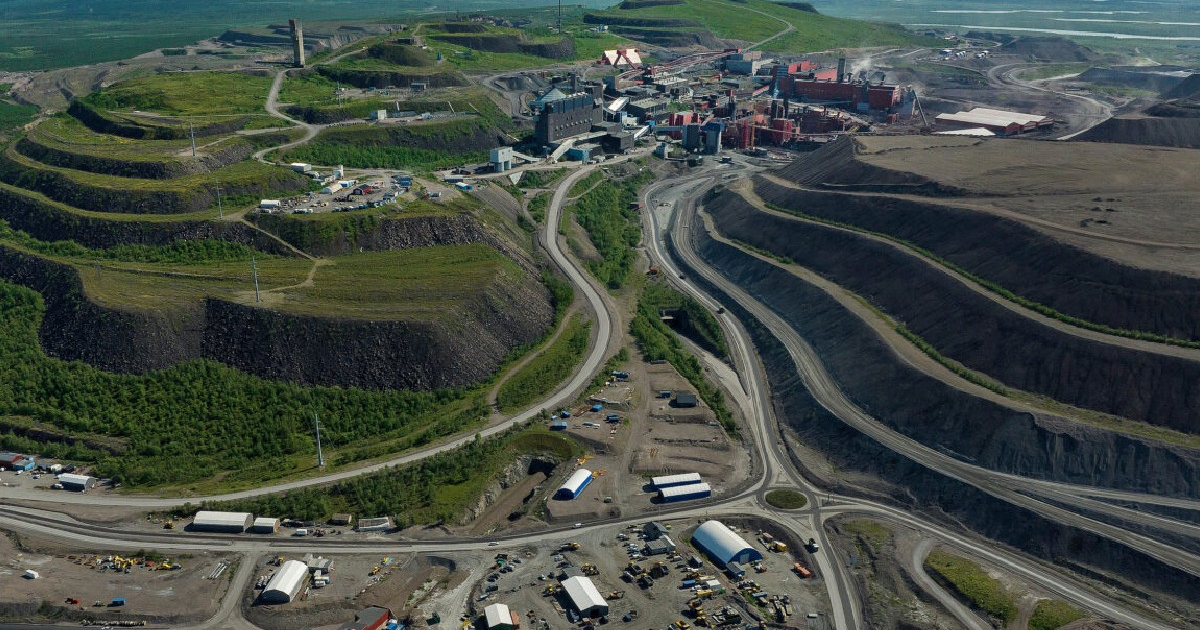
Swedish mining company LKAB increased its iron ore production by 14.7% year-on-year – to 19.4 million tons in January-September 2025. Supplies increased by 23.7% year-on-year to 18.8 million tons, according to the report.
In the third quarter, the company produced 6.9 million tons of iron ore, which is 41% more than in the same period last year. Deliveries for this period amounted to 6.2 million tons (+5% y/y), of which 86% were pellets. Production remained stable, and the number of technological stoppages decreased.
Despite the positive dynamics in production, the company’s financial results came under pressure. In July-September, LKAB recorded an operating loss of SEK 2.4 billion, compared to a profit of SEK 2.1 billion in the third quarter of 2024. The main factors were the costs of expanding the urban transformation zone in Kiruna, which cost the company about SEK 4 billion, as well as the decline in global ore prices.
The average price of ore (Platts IODEX 62% Fe CFR China) in the third quarter was $102/t, which is $2 higher than last year. The company’s revenue decreased by 9.5% y/y – to SEK 7.58 billion, mainly due to the strengthening of the Swedish krona against the US dollar and lower premiums on pellets.
Despite the challenging market conditions, LKAB maintained a stable cash flow of SEK 1.37 billion in Q3 (+31% y/y). The company also decided to invest SEK 6 billion in a new sorting plant in Malmberget, which is scheduled to start operating in 2028.
LKAB forecasts stable production until the end of the year, but acknowledges that results may be affected by fluctuations in ore prices, energy costs, and capacity constraints on the railway line to the ports of Narvik and Luleå.
As reported by GMK Center, LKAB reduced its iron ore production by 13.3% year-on-year to 22.7 million tons in 2024. Significant accidents on the iron ore railway branch in early 2024 affected supply volumes, which ultimately amounted to 21.9 million tons (-13.4% y/y). The share of pellets in total sales was 87% compared to 84% a year earlier.
-

15 June 2026

22 June 2026

22 June 2026
22 June 2026