




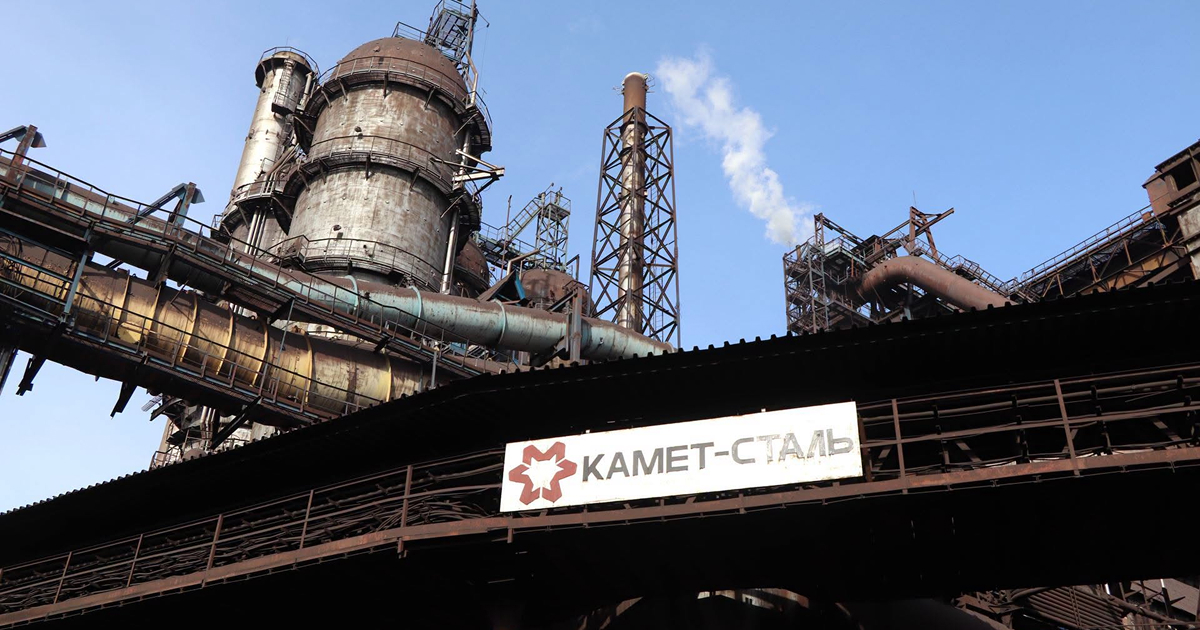
During the major overhaul, the refractory lining of the shaft, the furnace and the air heaters will be replaced, amongst other things
The Kametstal Steel Plant, part of the ‘Metinvest’ Group, has commenced its most extensive overhaul of 2026 — on 1 July, blast furnace No. 1M was shut down to carry out a second-class overhaul. This is stated in a press release from the company.
The main objectives of the overhaul are to replace the refractory lining of the shaft, the hearth and the air preheaters, as well as to partially upgrade components of the blast furnace cooling system.
This year’s repair work also involves a comprehensive upgrade of a significant amount of mechanical, electrical and power equipment, including the complete replacement of the unit’s charging mechanism.
Following thorough preparation and a successful blow-out, repair teams have now arrived at blast furnace No. 1M. They have begun the step-by-step dismantling of the equipment and are preparing to clear out the hearth.
As noted by Yevhen Podgornyi, Deputy Head of Engineering at Kametstal’s blast furnace shop, in 2025 the company carried out a major overhaul on this scale for the first time since the war began. The results enabled Blast Furnace No. 9 to be brought up to its design specifications, particularly in terms of productivity. Kametstal will draw on this successful experience during the current refurbishment of Blast Furnace No. 1M.
“Our main task is to carry out the entire range of repair works to a high standard and within the set deadlines, in order to ensure the continued reliable and stable operation of the furnace equipment and the effective fulfilment of the blast furnace shop’s production targets,” emphasised Podgorny.
It should be noted that in the spring of this year, Kametstal completed a major overhaul of the No. 1 ‘furnace-ladle’ unit in the converter shop. The upgrade of the unit is expected to reduce the risk of downtime and improve the stability of steel production.
-

02 July 2026
10 July 2026
09 July 2026
09 July 2026