
The country seeks to align its new strategy with changing dynamics in the sector
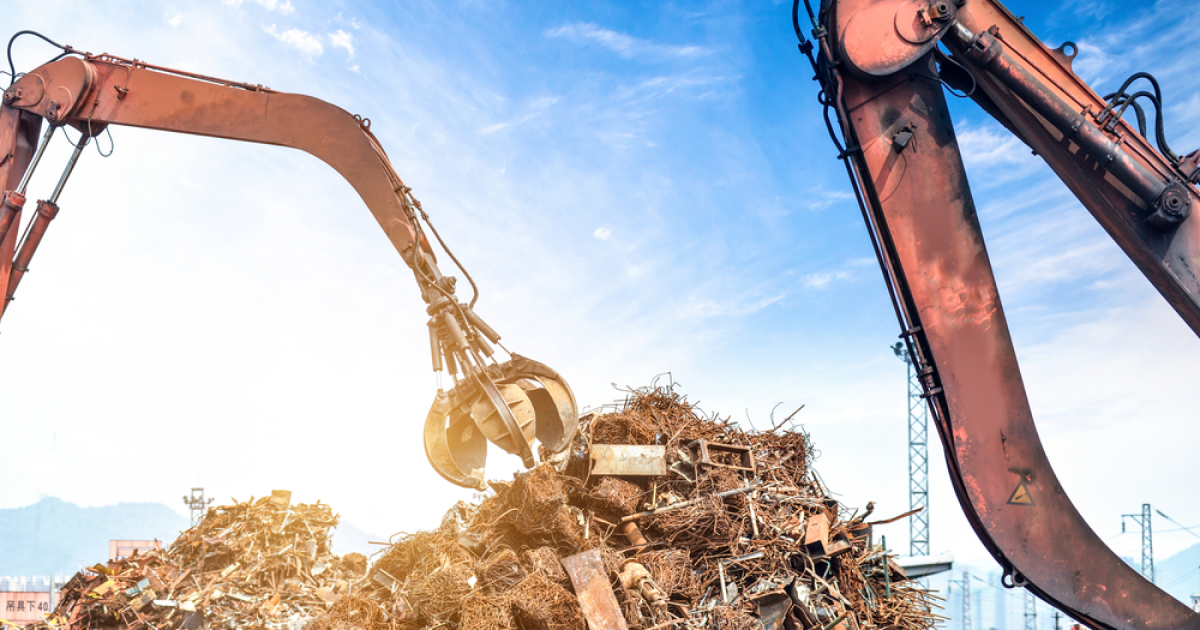
The Indian government is finalising a national scrap recycling policy to replace the existing 2019 guidelines, reports the Financial Express.
The country aims to align the policy with the changing dynamics in the sector due to domestic requirements and commitments, as well as the international situation.
Daya Nidhan Pandey, joint secretary at the Ministry of Steel, said the policy could be ready within the next few months. He said scrap consumption in India’s steel sector is growing, and its availability is estimated to increase to nearly 36 million tonnes.
«This clearly indicates that demand for steel scrap will surge as large-scale capacity expansion continues,» Pandey said.
The official added that India aims to gradually increase the share of scrap in steel production to the global average of 31%. As the country moves towards smelting volumes of 300 million tonnes by 2030 and 500 million tonnes by 2047, scrap will play a crucial role in conserving raw materials, reducing coal imports, lowering emissions and supporting the country’s environmental commitments.
The 2019 scrap policy, aimed at promoting a circular economy in metallurgy, was designed to encourage the recycling of end-of-life products in an organised, safe and environmentally friendly manner, in particular by relieving Indian cities of obsolete vehicles. However, Pandey did not disclose the details of the new strategy.
At the same time, BigMint CEO Dhruv Goel believes that India’s new scrap policy should focus on creating a transparent and integrated domestic ecosystem to support competitively priced and low-carbon steel production. The government can encourage organised collection and recycling by streamlining VAT, funding shredding centres, and speeding up paperwork for car recycling units.
It should be recalled that in December 2024, the Indian government announced a formula for determining «green steel,» which ranks such products into three categories based on the amount of carbon dioxide emitted during the production process. Steel produced with CO2 emissions of less than 2.2 tonnes per tonne of rolled product will be classified as three-star «green», with emissions below 1.6 tonnes per tonne of alloy classified as five-star.