




News Global Market Germany 1958 06 October 2025
The SPD proposes that the EU limit steel imports with quotas and tighten controls on Russian products
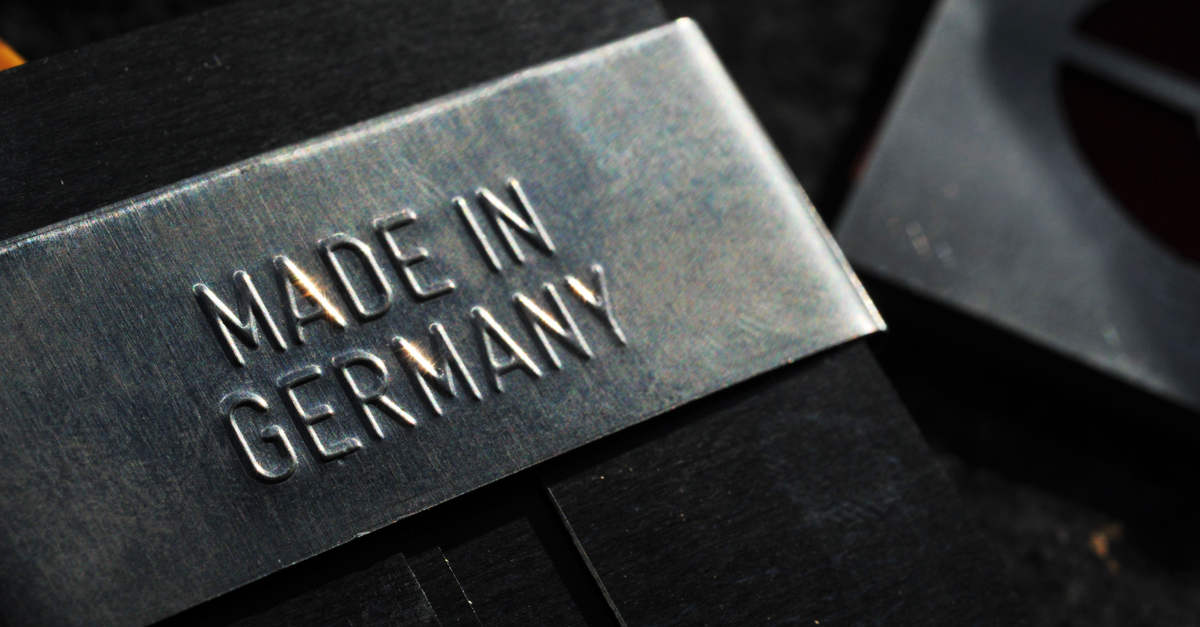
Germany’s Social Democrats, junior partners in Chancellor Friedrich Merz’s coalition, plan to promote a more protectionist policy for the European steel industry. According to Reuters, citing an internal document, the party is calling on the EU to introduce a “buy European” strategy to strengthen protection against dumping competition from third countries.
The proposals, which are expected to be adopted next week, provide for the creation of a tariff and quota system that will limit excessive imports while keeping the market open and controlled. The Social Democrats, led by Finance Minister Lars Klingbeil, emphasize that this is not about protectionism in the traditional sense, but about ensuring fair competition rules and protecting Europe’s strategic interests.
These proposals are expected to be discussed at a steel summit convened by Merz this month with steel producers, trade unions, and state governments. However, it is still unclear how much support these ideas will receive, as Germany has benefited greatly from free trade over the past two decades.
At the same time, there is growing concern about competition from China and other countries, as well as US tariffs. The document also calls for tighter controls on Russian steel imports, in particular to block its possible entry into the European market via Turkey.
For the SPD, the issue also has a political dimension, as the party has lost support in traditionally industrial regions, where some of the votes have been captured by right-wing populists. Therefore, the “buy European” initiative could become both a tool for the Social Democrats to protect the economy and an attempt to restore electoral confidence.
As a reminder, four German energy network operators recently announced preliminary nationwide tariffs for electricity transmission for next year. Thanks to a planned state subsidy to cover network costs in 2026, these tariffs are expected to be reduced by about half. At the same time, German metallurgists insist on a permanent solution to high electricity tariffs.
-
Opinions Industry steel consumption
13 July 2026
24 July 2026
24 July 2026
24 July 2026