




News Global Market Australia 1140 06 May 2026
China was the leading importer last month, accounting for 61.8 million tons of the total export volume of 76.4 million tons
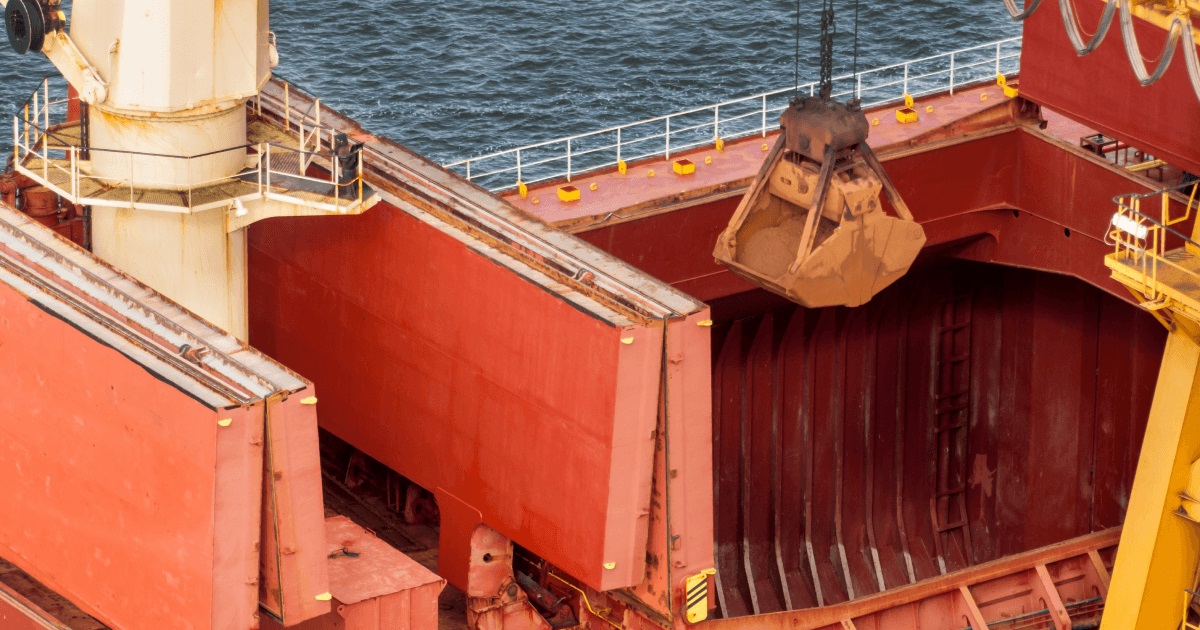
Iron ore exports from Australia rose by 5% in April compared to March, reaching 76.4 million tons. On a year-on-year basis, shipments increased by 9.5%. This was reported by BigMint.
The key importers of Australian raw materials were China (61.8 million tons), Japan (5.6 million tons), and South Korea (4.7 million tons). The leading exporters in April were Rio Tinto (28 million tons), BHP (24.8 million tons), and FMG (16.4 million tons).
The increase in exports was primarily driven by the normalization of shipments in the Pilbara region following previous disruptions. This allowed mining companies to clear backlogs and adhere to stable loading schedules, resulting in moderate growth rather than a sharp spike.
At the same time, stable demand from China, supported by inventory restocking and improved mill profitability, combined with Australia’s logistical advantages, ensured strong sales figures. However, the potential for further growth was limited by competitor activity: increased shipments from Brazil and rising global supply restrained price and volume dynamics.
For instance, iron ore exports from Brazil jumped 25.4% last month compared to the previous month, reaching 32.9 million tons (a 7% increase year-on-year). Exports of ore and pellets from India rose by 39.6% compared to March, reaching 2.3 million tons (+36% compared to April of last year). The increase in exports from these countries is largely due to increased purchases by Chinese consumers to maintain high inventory levels ahead of the May holidays.
In contrast, exports from South Africa in April fell by 14% compared to the previous month—to 4.7 million tons, although they rose by 8.8% compared to April 2025.
Global iron ore export flows are expected to remain stable, as moderate shipment volumes are planned for May due to Labor Day celebrations.
As a reminder, Rio Tinto increased its total iron ore production by 12% year-on-year in the first quarter of 2026, reaching 82.8 million tons. Production in the Pilbara region (Australia) in January–March totaled 78.8 million tons (+13% y/y).
As reported by GMK Center, global iron ore supply in 2026 could reach a record 2.68 billion tons. Africa will be the main driver of growth thanks to the phased launch of the Simandou project. In addition, iron ore mining capacity in Australia and Brazil continues to expand.
-

Opinions Industry steel consumption
13 July 2026
13 July 2026

13 July 2026
13 July 2026