




News Global Market захисні заходи 1004 10 October 2025
The association calls for consideration of the interests of distributors and processing companies
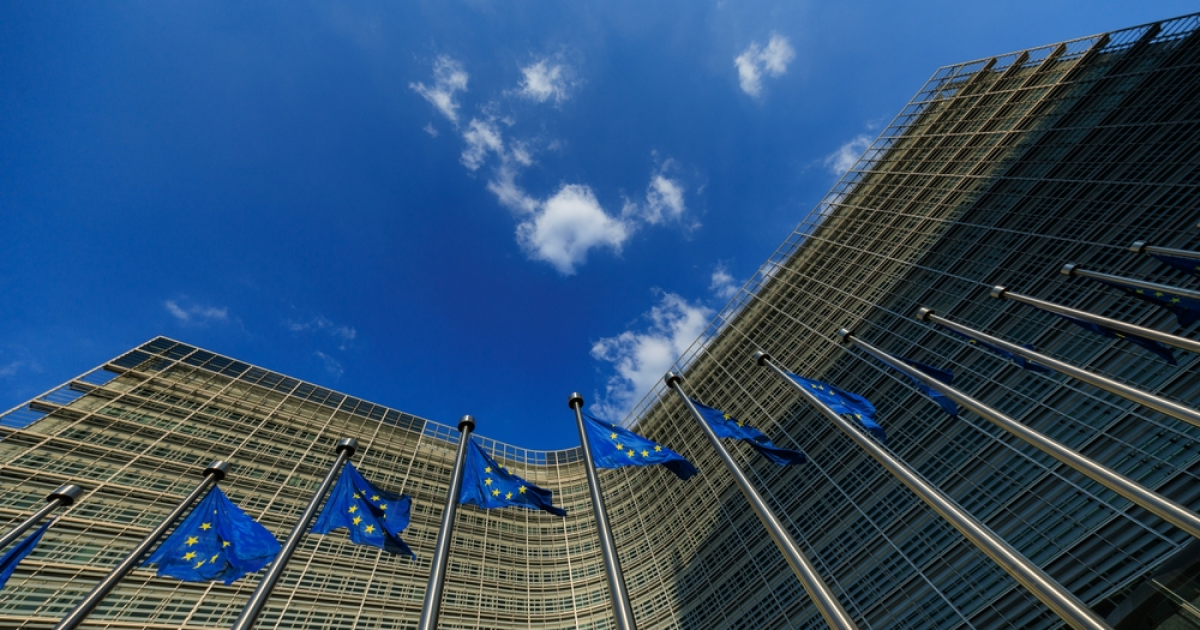
Italy’s Assofermet, which represents companies in the trade, distribution, and processing of steel and non-ferrous metals, has expressed its strong disagreement with the new protective measures proposed by the EC.
It called the proposal in its current form a “steel vice” for distributors and processing companies, which, however, provides a shield for metallurgists at the expense of the former.
According to the association, the introduction of a 50% duty on metal products above quotas, combined with their reduction, clearly demonstrates the intention to close the European market to imports from non-EU countries.
Such measures, Assofermet emphasizes, will lead to the creation of a closed market and a significant increase in prices, which will burden EU production.
“The consequences will be an inevitable loss of competitiveness for steel-using manufacturing companies, which are traditionally exporters and accustomed to competing in international markets,” the statement said.
Assofermet noted that steel service and distribution centers, direct importers, and processors will be forced to implement structural changes in their warehouses and radically reduce stocks.
In addition, the new protective measures will complement the numerous anti-dumping duties already in place or under discussion (such as duties on cold-rolled coils) and the CBAM mechanism, which will finally come into force in January 2026.
«Assofermet has repeatedly recognized that the EU steel industry is a fundamental asset and, as such, must undoubtedly be protected, but this tool cannot be excessive protectionism, the only certain result of which will be a push for delocalization of production and devaluation of European industry,» the statement said.
The association will continue to cooperate with the government and the EC and expressed hope that the issue of introducing incentives for consumption and demand for steel in the European market will be resolved.
Recall that on October 7, the European Commission presented a proposal to protect the EU steel industry from the unfair impact of global excess production capacity. This involves limiting duty-free imports to 18.3 million tons per year, which is a 47% reduction compared to the 2024 steel quotas, and doubling the duty rate on products outside the quota to 50%.
European steelmakers generally support the proposed measures, while trading partners are requesting consultations.
-

Opinions Industry steel consumption
13 July 2026
13 July 2026

13 July 2026
13 July 2026