
News Companies ArcelorMittal 2392 06 November 2025
The company is not prepared to invest €2 billion in decarbonizing its plant in Ghent due to low profitability
ArcelorMittal Belgium, the Belgian division of global mining and steel company ArcelorMittal, is not yet ready to implement the largest climate investment project in the country’s history. This was stated by the division’s CEO, Frederik Van De Velde, during hearings in the Belgian federal parliament.
According to him, the company remains committed to its plans for the environmental modernization of production in Ghent, but current market conditions make the project economically unviable.
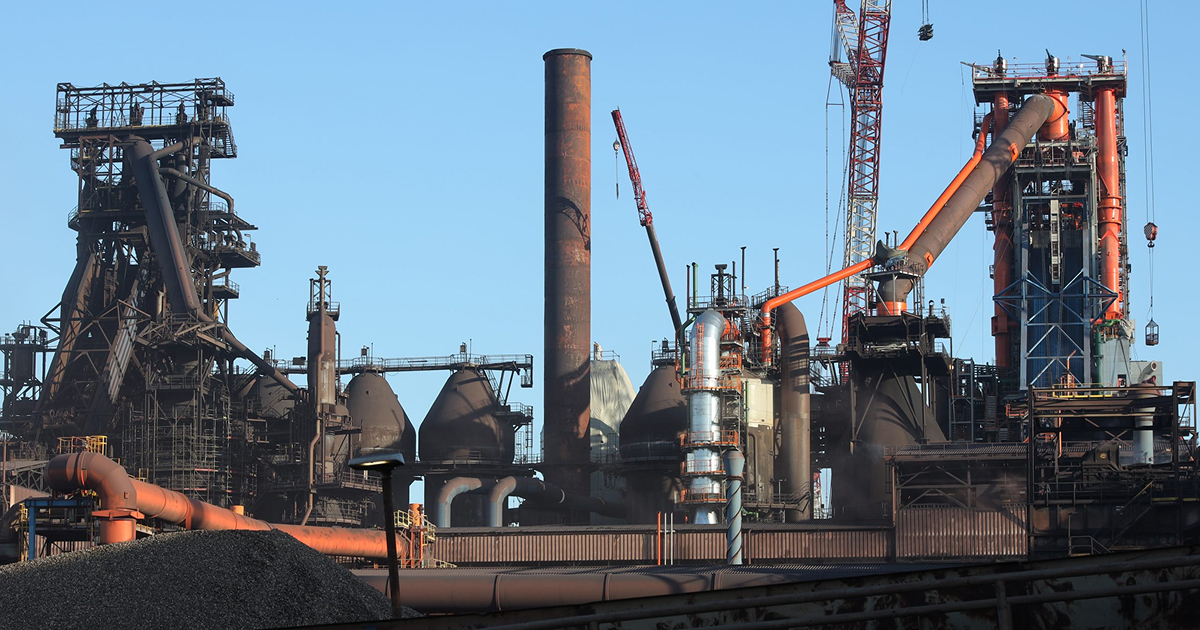
The initiative, announced in 2021, involves a complete transition from traditional blast furnaces to direct reduced iron (DRI) technology and electric arc furnaces. The investment is estimated at around €2 billion, which would significantly reduce CO2 emissions.
Initially, the Ghent plant was to be the pilot site for the introduction of low-carbon production, but later the Dunkirk site was given priority due to lower electricity prices in France. Ultimately, ArcelorMittal CEO Aditya Mittal decided to temporarily suspend all major climate investments in Europe, causing concern among Belgian and French politicians.
Van De Velde stressed that the company remains committed to achieving zero emissions by 2050, but that investments would currently result in losses.
“We are sticking to our plan, but we are implementing it at the right time,” he said.
The CEO also stressed that European companies cannot invest billions in decarbonization while paying taxes that their competitors outside the EU do not have to pay. Demand for green steel remains limited as consumers are not willing to pay more.
The company has assured that it will maintain its presence in Europe, and that the possible transfer of some of its operations to India will have a minimal impact on employment.
The Polish government will meet with ArcelorMittal representatives in the near future to discuss the future of the company’s operations in the country. Poland may consider participating in the preservation of steel assets, while trade unions claim that the situation at the company’s plants in Poland remains difficult.