




News Global Market Brazil 158 17 July 2026
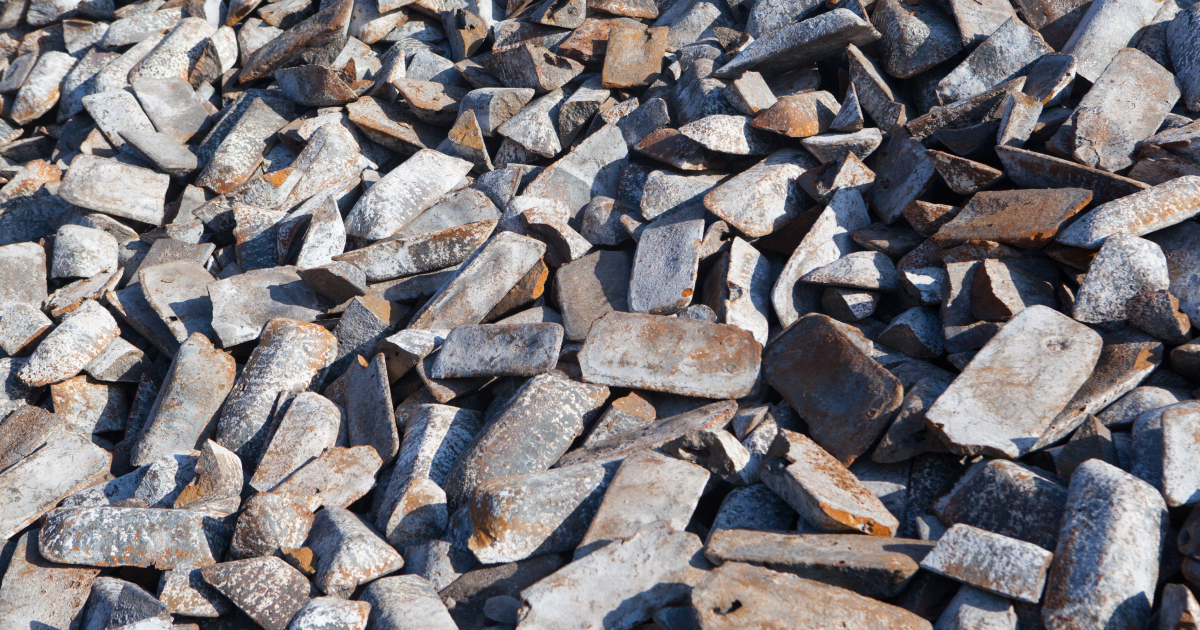
Restrictions on cast iron could have had a negative impact on the operations of US importers
The Office of the United States Trade Representative (USTR) has issued a final ruling as part of its Section 301 investigation into Brazil’s trade practices. According to the ruling, an additional 25 per cent duty will be imposed on goods of Brazilian origin from 22 July 2026. At the same time, a broad list of exemptions has been retained, including key raw materials for the metallurgical industry, notably pig iron and scrap. This is reported by SteelOrbis.
Following public consultations, the USTR has expanded the list of goods exempt from duties compared with its June proposal, adding pig iron, as well as ferrous metal waste and scrap. These products have been exempted from the tariffs because they are critically important raw materials that cannot be obtained in sufficient quantities on the domestic market or from alternative suppliers. Restrictions on these items could cause supply disruptions across the entire US economy.
The decision regarding cast iron highlights the significant dependence of US steelmakers on imports. The USTR explained that over 95 per cent of domestic production of merchant cast iron in the US is consumed by integrated steelworks. As a result, foundries and manufacturers using electric arc furnaces are heavily reliant on foreign supplies. The situation is complicated by the limited availability of alternative sources: China consumes almost its entire domestic output, whilst exports from Russia and Ukraine are restricted due to the war.
The Brazilian side welcomed the exemption of pig iron from the increased duties, which has brought relief to independent producers in the regions of Minas Gerais, Espírito Santo, Maranhão, Pará and Mato Grosso do Sul. Representatives of the Sindifer association noted that Brazilian pig iron is difficult to replace due to its specific quality and environmental characteristics, in particular the use of charcoal from renewable forests as a reducing agent.
Despite this compromise, Brazil’s Presidential Communications Secretariat (Secom) issued a strongly worded statement, describing 15 July 2026 as a ‘regrettable milestone’ in the history of bilateral relations. The Brazilian authorities emphasised that over the past 15 years the country had accumulated a trade deficit with the US amounting to $424.5 billion, and stated that they did not recognise the legitimacy of investigations not based on multilateral trade rules.
As reported by the GMK Centre, the US is a key destination for Brazilian pig iron exports. Between January and May, exports to the US reached 1.2 million tonnes. For the whole of last year, shipments totalled 3.4 million tonnes, or 83 per cent of Brazil’s total pig iron exports.
-

Opinions Industry steel consumption
13 July 2026

17 July 2026
17 July 2026

17 July 2026