




News Global Market decarbonization 120 07 July 2026
The project involves the construction of four underground storage facilities, the first of which is due to come into operation in 2031
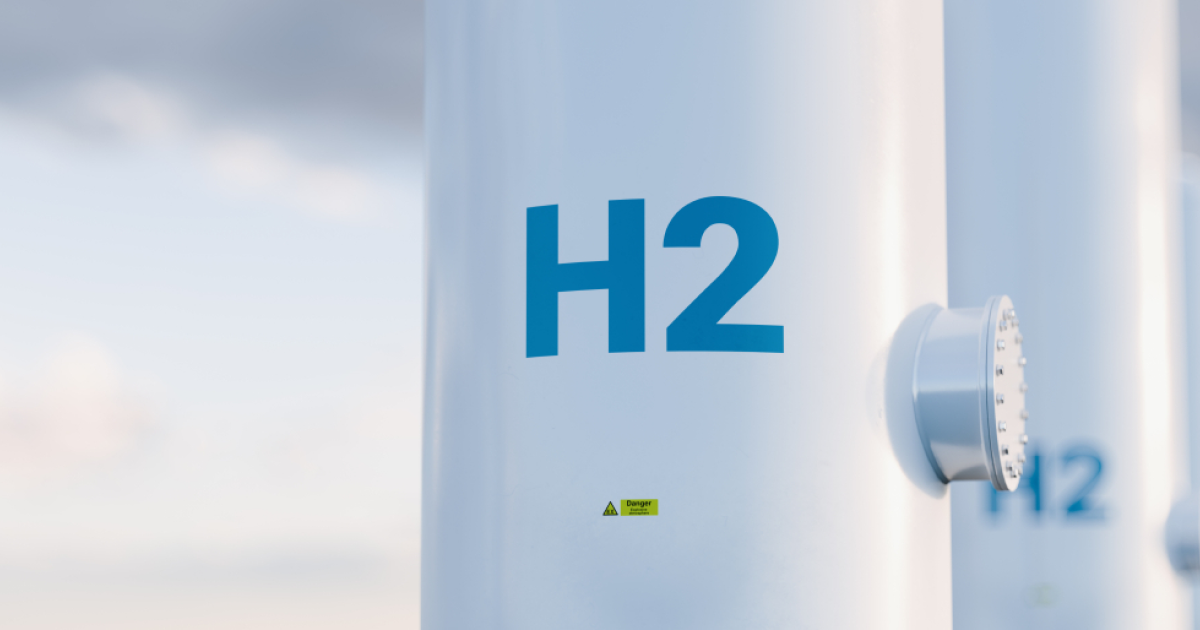
The Dutch government has approved a subsidy of €450 million ($514 million) for the construction of the Zuidwending hydrogen storage facility in the north of the country. The project will be developed by Gasunie, the state-owned gas transmission system operator. This was reported by Argus.
The project, named HyStock, involves the phased creation of four underground caverns (salt caverns). Each cavern will have a capacity of 6,000 tonnes of hydrogen. According to Gasunie’s plans, the first storage facility is due to come into operation in 2031.
The Zeidwending site was chosen due to the presence of existing underground gas storage infrastructure, as well as its convenient location for future connection to the Netherlands’ planned national hydrogen pipeline network.
The government emphasised that state financial support is intended to mitigate specific risks that would be difficult for a conventional investor to cover on their own. Key risk factors cited include:
- Uncertainty regarding the cost of so-called ‘buffer gas’, which must remain in the storage facility at all times to support the injection and withdrawal processes.
- The likelihood of low capacity utilisation in the early stages of market development.
- Risks of project delays due to lengthy permitting procedures.
According to estimates by the relevant ministry, hydrogen storage infrastructure is critically important even in the early stages of market development. The storage facilities will fulfil several strategic objectives:
- Balancing temporary imbalances between supply and demand.
- Strengthening the security of energy supply.
- Increasing the flexibility of the country’s overall energy system.
As reported by GMK Center, the European Commission has approved a French support scheme for the production of renewable and low-carbon hydrogen. The scheme will support the construction of new electrolysers with a capacity of 1 GW. Funding will be provided through competitive tenders, planned in three phases. The first tender concerns 200 MW of electrolysis capacity, with an estimated budget of €797 million.
-

02 July 2026

07 July 2026
07 July 2026
07 July 2026