




News Global Market China 123 20 June 2026
Reducing emissions in ‘dirty’ sectors of the economy depends on access to clean electricity and a flexible power system
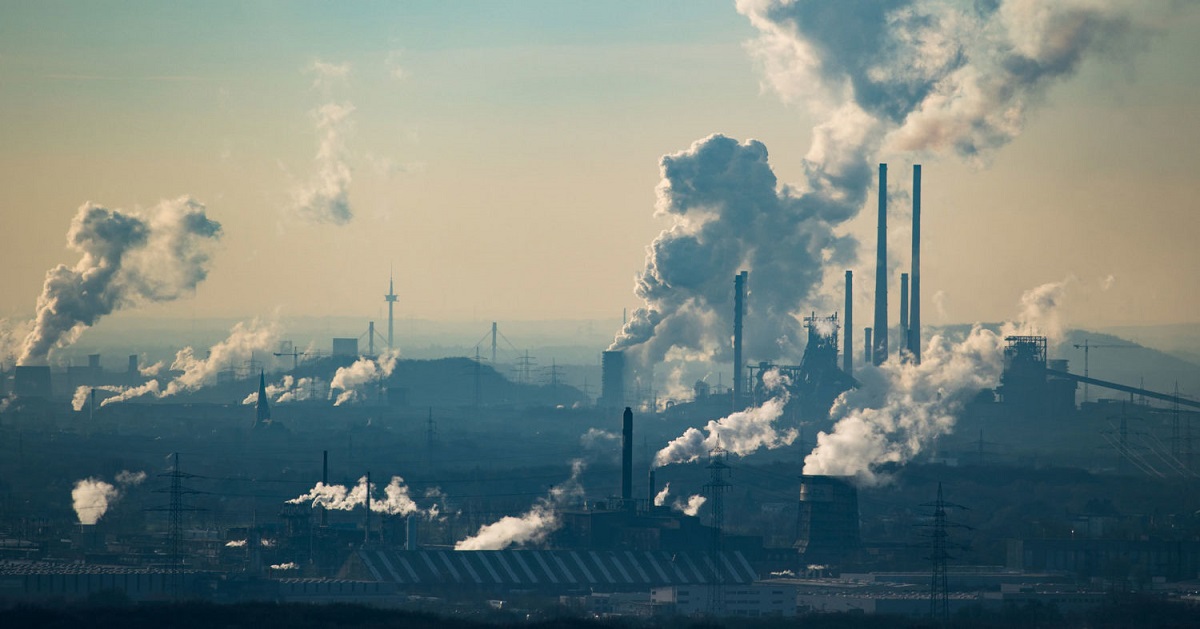
China’s climate targets have reached a stage where their achievement depends entirely on reducing carbon emissions in the most environmentally ‘dirty’ sectors of the economy. The country has already gone through a phase of record expansion in clean energy capacity and now needs to focus on sectors that are difficult to electrify. This is reported by Bloomberg, citing a new report from the think tanks Agora Energy China and Agora Energiewende.
According to Kevin Tu, managing director of Agora Energy China, China has largely solved the problem of scaling up renewable energy sources (RES).
“The main priority now is to ensure the transformation of industry through clean energy, strengthen energy security and achieve a sustainable reduction in emissions. The state’s 15th Five-Year Plan for energy development, due to be published later this year, will be the first real test of this large-scale transition,” said Kevin Tu.
This shift is taking place at a critical juncture. In 2025, emissions in China rose by just 0.5 per cent year-on-year, suggesting they may have plateaued, whilst generation from coal-fired power stations fell for the first time in a decade. Under these conditions, the growth in emissions is increasingly concentrated in heavy industry — particularly in the production of steel, cement and chemical products, which account for 14 per cent of the country’s total emissions.
Reducing emissions in these sectors through the use of renewable hydrogen, electric heating and low-carbon materials depends entirely on access to large quantities of clean electricity and a more flexible power system.
Despite China’s successes in developing renewable energy, the situation remains mixed. Although solar and wind generation has more than doubled over the past five years — accounting for around 22% of total electricity generation in 2025 — the rate of their effective utilisation has fallen below 95%. In turn, these energy losses point to a growing imbalance between the expansion of generation capacity and the power grid’s ability to absorb all the additional capacity.
According to the report, even if 2025 marks the peak year for China’s carbon emissions, the country will still have to reduce them by at least 1% annually to meet its international commitments by 2035. This underscores the urgent need for the decarbonisation of the industrial sector.
As reported by the GMK Centre, China could reduce emissions by 1.6 billion tonnes by 2030 if the country manages to mobilise 17.5 trillion yuan ($2.5 trillion) in green investment over the next five years. Emissions in the country are set to peak in 2028 at 11.3 billion tonnes.
-

15 June 2026

19 June 2026

19 June 2026

19 June 2026