




News Companies Salzgitter 1320 30 March 2026
The €1.4 million initiative aims to recycle iron, vanadium, manganese, and chromium in an energy-efficient manner
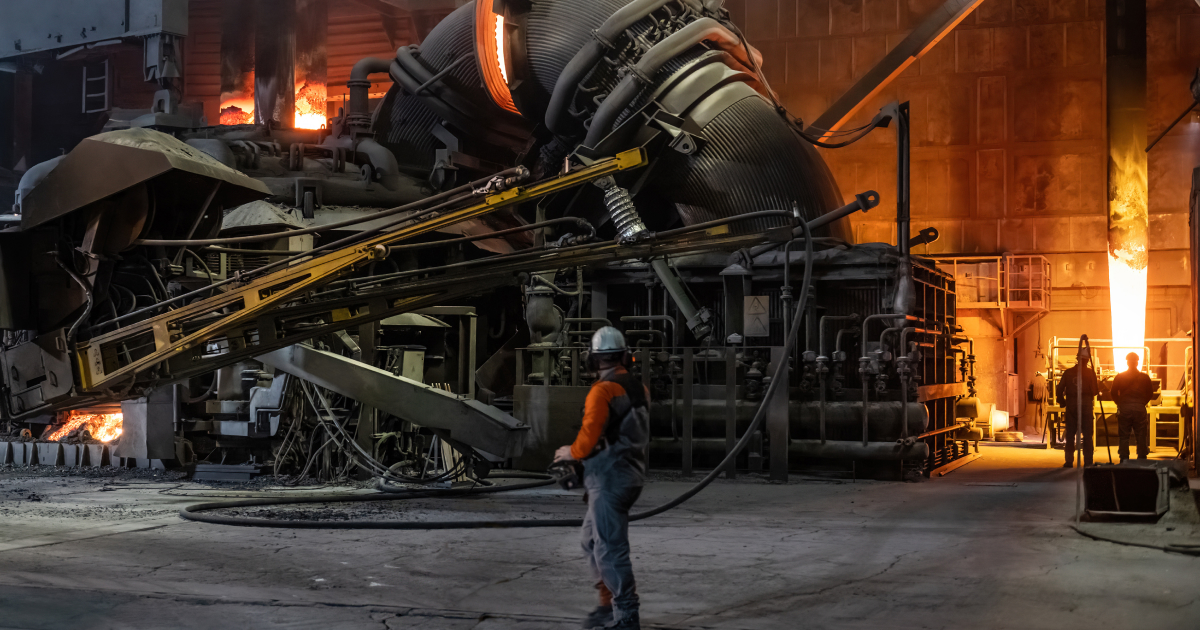
The German steelmaker Salzgitter AG has announced the launch of the KLASSE joint research project, aimed at recovering valuable metals from electric arc furnace slag. According to a press release, the initiative is intended to enhance circularity in the steel industry, reduce raw material losses, and decrease dependence on imported resources.
The project is coordinated by Salzgitter Mannesmann Forschung GmbH. The Federal Institute for Materials Research and Testing (BAM), TS Elino GmbH, TU Bergakademie Freiberg, and TU Clausthal have also joined the project. KLASSE aims to develop solutions for the energy-efficient extraction of metals such as iron, vanadium, manganese, and chromium from slag, which are currently largely lost.
The company notes that every year, the steel smelting process generates significant volumes of slag, which is primarily used as construction material or sent to landfills. At the same time, it contains strategically important metals that are effectively lost to the production cycle. This is precisely the problem the new project aims to address.
KLASSE’s technological approach involves combining new “cold” processing methods with a subsequent direct recovery process. Salzgitter emphasizes that this will allow for the targeted separation and return of valuable components to circulation with significantly lower energy consumption than when using traditional production technologies.
As Benedikt Ritterbach, Managing Director of Salzgitter Mannesmann Forschung, noted, it is virtually impossible today to avoid metal losses due to the slag phase. At the same time, this new approach opens up the possibility of returning metals—which are critical to the steel industry and are currently mostly imported—back into the production cycle. Preliminary laboratory studies have already demonstrated the significant potential of this technology.
In addition to metal recovery, the project also aims to ensure high-quality utilization of residual mineral fractions, particularly in the construction industry. In this way, KLASSE is intended to simultaneously promote resource efficiency, advance industrial recycling, and strengthen Germany’s raw material security.
The project is scheduled to last three years and is funded by the German Federal Ministry for Economic Affairs and Energy with approximately €1.4 million. If successful, the developed solutions are planned to be implemented in a pilot application and extended to other types of slag.
As a reminder, in 2024, the European Union produced 38 million tons of metallurgical slag, of which 35 million tons, or 92%, were used in industry and construction. Blast furnace slag accounted for the largest share—21.5 million tons—with a reuse rate of 100%. Last year, the EU produced 16.5 million tons of steelmaking slag. Of this amount, 13.5 million tons (82%) were utilized.
-

15 June 2026
18 June 2026
17 June 2026
17 June 2026