




News Global Market EU 1974 28 July 2025
The parties have agreed on a fixed duty, the abolition of tariffs on strategic goods, and new energy agreements
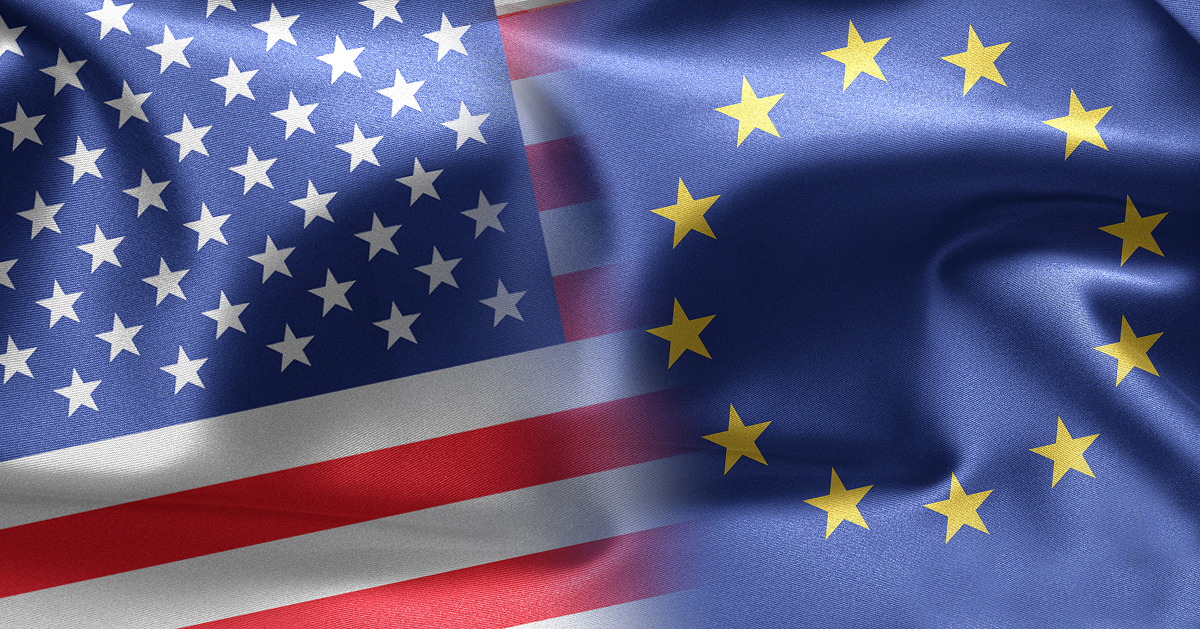
The EU and the US have reached a new trade agreement that should stabilize economic relations between the world’s two largest economies. This was announced by European Commission President Ursula von der Leyen during a visit to Scotland.
The agreement provides for a fixed customs rate of 15% for most goods exported from the EU. It covers key industries such as automotive, pharmaceuticals, and microchip manufacturing, and is a “ceiling” without additional charges, which, according to von der Leyen, will provide predictability for businesses on both sides of the Atlantic.
The EU and the US have also agreed on zero tariffs for a number of strategic goods. This list includes aircraft and their components, semiconductor manufacturing equipment, certain chemicals, agricultural products, natural resources, and critical raw materials. There are plans to expand the list.
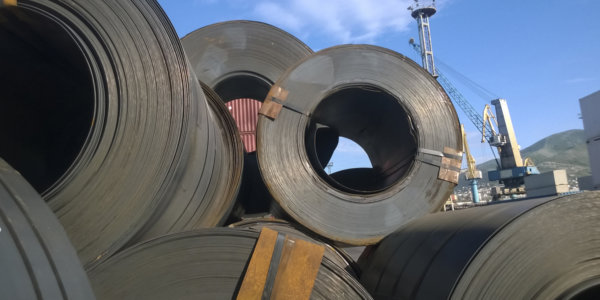
Agreements in the metallurgical sector are also important. In order to combat global overproduction of steel and aluminum, tariffs are to be reduced and quotas introduced.
Special attention is paid to energy cooperation. The EU will increase purchases of American energy carriers—liquefied gas, oil, and nuclear fuel — to replace Russian supplies and increase energy security.
Von der Leyen stressed that the agreement creates a basis for further tariff reductions, the elimination of non-tariff barriers, and the strengthening of economic security. She thanked US President Donald Trump for his “firm stance and negotiating skills” and European Commissioner Maroš Šefčovič for the negotiations.
«This can hardly be seen as a reason to be optimistic about the 15% duty on car exports. But the good thing is that predictability is already emerging. For the most part, European businesses have gotten used to the existing rules of the game. Thus, in May, car exports to the United States decreased by 26% y/y, but increased by 2.5% y/y overall. As far as we can tell, negotiations on steel are ongoing. Without exceptions in the amount of duties, steel exports to the US even increased by 25% y/y in May. In general, our assessment of this decision is neutral, which has already been reflected in prices,» comments Andriy Tarasenko, Chief Analyst at GMK Center.
US President Donald Trump recently announced that he had agreed on a large-scale tariff agreement with Japan, one of the country’s largest trading partners. At the same time, US tariffs of 50% on imports of steel and aluminum were not part of the agreement.
-

15 June 2026
16 June 2026
16 June 2026

15 June 2026