
The goal is to repurpose the industrial site
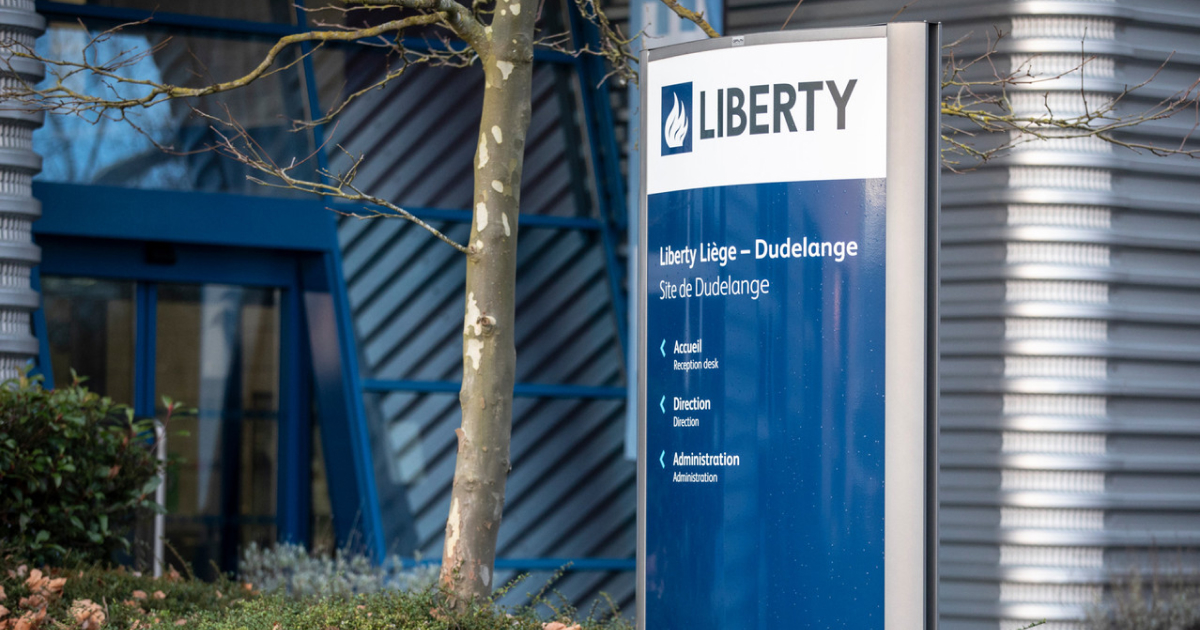
The Luxembourg government has officially proposed to purchase the insolvent Liberty Steel plant in Dudelange, according to RTL.
According to a statement from the Ministry of Economy, the aim of this move is to repurpose the industrial site to support national economic development and job creation.
Although specific redevelopment plans are still under consideration, the ministry has confirmed that it is evaluating several options, including potential defense-related projects for the industrial zone.
The government’s intervention effectively prevents the sale of the site to private buyers.
Liberty Steel acquired the Dudelange site along with several other European steel assets from ArcelorMittal in 2019. Almost all of them have faced insolvency or closure in recent years.
As Fastmarkets notes, the Dudelange plant is capable of producing around 1 million tons of galvanized products per year. The asset was part of Liberty Steel Belgium along with Liberty Liège, which includes the Flémalle and Tilleur production sites in Belgium, each of which produces cold-rolled and hot-dip galvanized coil and tinplate.
In December 2024, the Dudelange plant was declared insolvent and an administrator was appointed. At the same time, the Belgian assets entered into liquidation.
Liberty Steel’s plants in Luxembourg and Belgium are nearing final closure. More than two years after operations were halted, no buyers have been found for these assets. Sources cite EU import quotas, which deter potential investors from outside the bloc, as the main reason for the collapse of negotiations. In particular, the sale of the Dudelange plant was officially suspended in May after Turkey’s Tosyali withdrew from the deal.
As GMK Center reported earlier, Liberty Steel faced significant financial difficulties after the bankruptcy of its main creditor, Greensill Capital, in 2021. Despite attempts to restructure its debts and attract investors in recent years, the situation for the group remains critical, as does that for its assets in Europe, a number of which have been declared bankrupt or are in the process of liquidation.