
News Companies Tata Steel 2416 06 April 2026
The cause was elevated emissions of hexavalent chromium from a single chimney, exceeding the legal limit
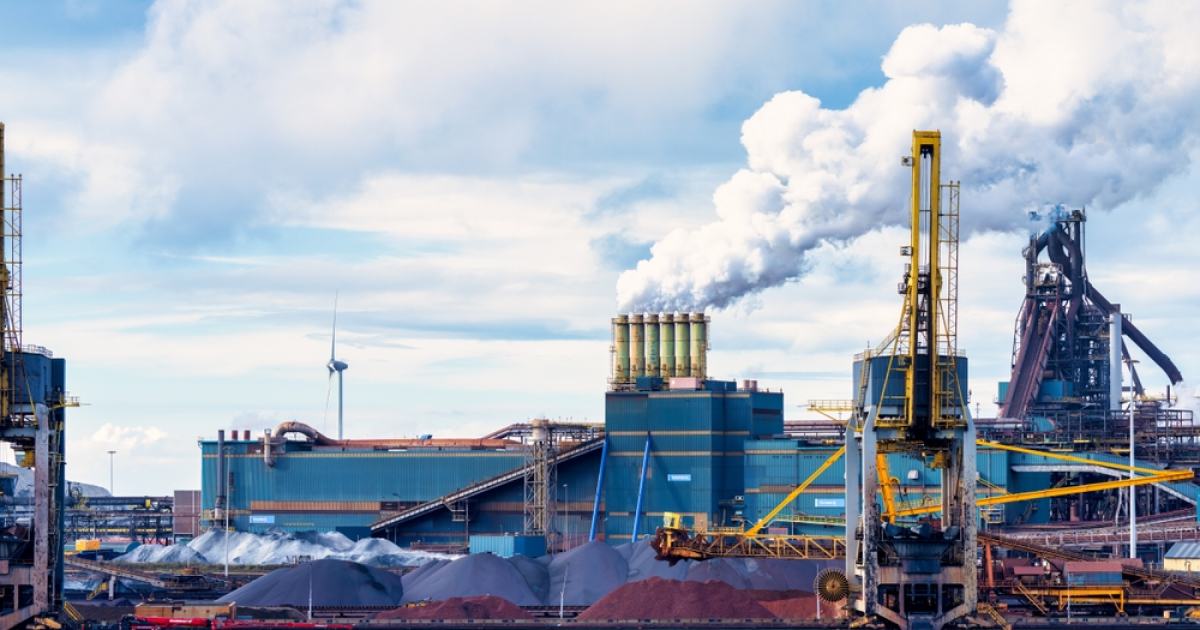
Tata Steel Nederland has announced the temporary shutdown of the Direct Sheet Plant (DSP)—a casting and rolling mill at its site in Eemeden. The decision was made in coordination with Omgevingsdienst Noordzeekanaalgebied (ODNZKG) after recent emission measurements showed that chromium-6 levels exceeded the permissible limit at one of the chimneys.
The company noted that it takes the measurement results extremely seriously, as safety and environmental impact remain its top priorities. That is why Tata Steel Nederland, together with the regulator, decided to temporarily shut down the DSP until the issue is resolved.
The company is currently working on additional technical and organizational measures aimed at reducing chromium-6 emissions. This involves a series of actions designed to ensure the facility’s compliance with all applicable environmental requirements. Tata Steel emphasizes that the Direct Sheet Plant will resume normal operations only after the facility’s full compliance with established standards has been confirmed.
The statement also notes that the company has already informed Omgevingsdienst Noordzeekanaalgebied of its decision and will continue to maintain contact with the agency regarding further measures and the progress of the necessary work.
Thus, the temporary shutdown of the DSP is a preventive measure aimed at minimizing environmental risks and eliminating excessive harmful emissions. At the same time, Tata Steel Nederland has not yet specified how long the plant will remain idle, as the resumption of operations will depend on the results of testing after all necessary measures have been implemented.
As a reminder, the Dutch government is negotiating with Tata Steel Nederland regarding a potential support package of up to €2 billion for the green transformation at the plant in Eemeden. At the same time, a group of economists is warning against providing billions in subsidies to the company, stating that the planned support would be “economically inefficient and risky.”