




News Global Market брухтопереробка 1011 16 June 2026
New EU regulations will have a significant impact on the secondary raw materials market
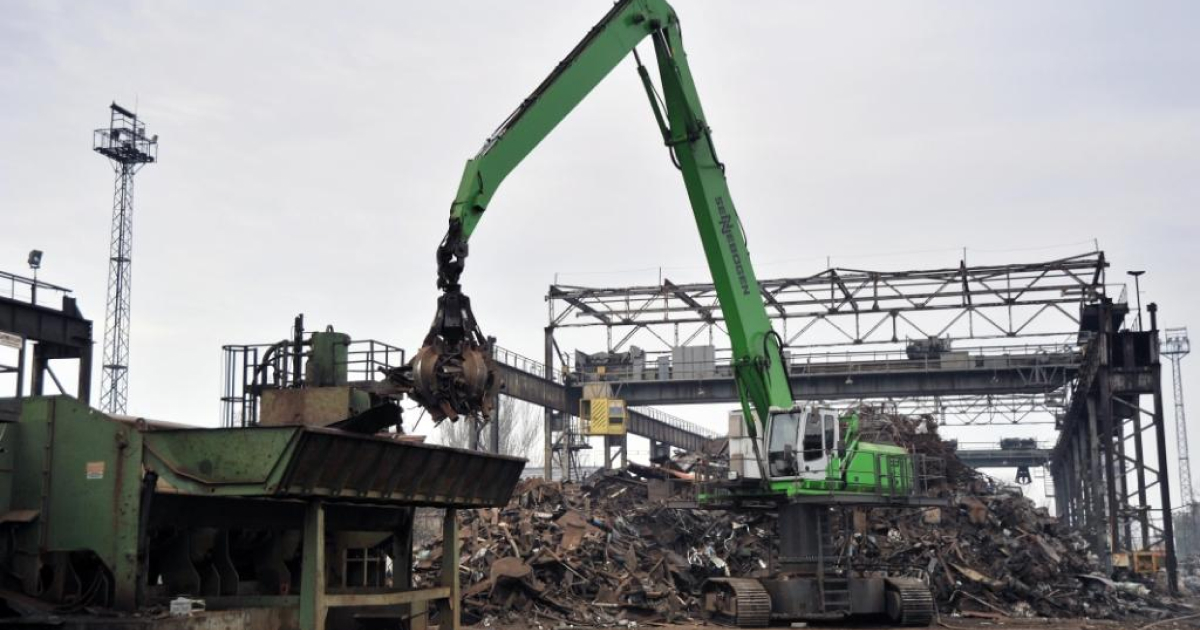
The new Regulation on the EU steel market, which is due to come into force on 1 July 2026, will have a significant impact on the scrap market. This is according to The Bureau of International Recycling (BIR).
As recycled steel is critical to circular production, any changes to import conditions or quotas could destabilise global supply chains.
Key regulatory changes:
- Quota reductions. An updated tariff quota (TRQ) system is being introduced. Duty-free imports will be capped at 18.3 million tonnes per year, a 47 per cent reduction compared with 2024.
- Increase in duties. The duty for exceeding the quota limit will double — from 25% to 50%.
- Origin control. A ‘melt and pour’ requirement is being introduced to clearly determine the country of primary steel production. The European Commission will adopt the rules for verifying this criterion by 31 August 2026.
In this regard, the European Commission has launched a public consultation, which will run until 2 July 2026, to develop a practical verification mechanism in collaboration with industry.
The BIR calls on participants in the scrap and recycled steel markets to actively engage in the discussion. This will enable the new requirements to be adapted to real-world commercial practices without undermining the circular economy. Together with Recycling Europe, the BIR is ready to engage in constructive dialogue with European institutions to support open and fair markets for recycled materials.
As reported by GMK Center, on 8 June the Council of the European Union adopted a regulation establishing a new system to protect the bloc’s steel market. The new rules will replace the EU’s current safeguard measures, which expire on 30 June this year.
-

02 July 2026

09 July 2026

09 July 2026
09 July 2026