





News Green steel China 99 14 July 2026
The roadmap provides for the acceleration of low-carbon modernisation in energy-intensive sectors
At the end of last week, China published an Action Plan to reach peak carbon emissions between 2026 and 2030, according to CGTN.
According to the document, by 2030 China plans to reduce carbon emissions per unit of GDP by 17 per cent compared with 2025 levels and increase the share of non-fossil fuels in total energy consumption to 25 per cent.
The plan also envisages meeting all new demand for electricity through the use of clean energy. This, in particular, is intended to strengthen the country’s energy security against the backdrop of uncertainty in the global energy market, said Tian Zhiyu, director of the Centre for Sustainable Energy Development at the Energy Research Institute of the National Development and Reform Commission.
The roadmap to 2030 calls for accelerating low-carbon modernisation in traditional energy-intensive sectors, particularly steelmaking, as well as promoting the development of new ‘green’ industries.
In addition, China plans to build around 100 national industrial parks, 500 factories and transport corridors (including motorways and inland waterways) with zero carbon emissions to create new drivers of sustainable growth.
The plan also focuses on a low-carbon lifestyle, in particular by expanding the roll-out of new energy vehicles.
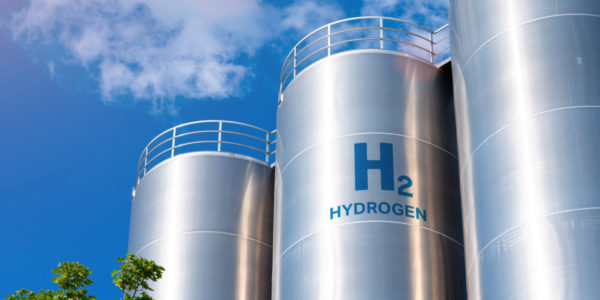
It is worth recalling that in the spring of 2026, China launched a new pilot programme to support the development of hydrogen energy, focusing in particular on the decarbonisation of the steel industry. The key objective of these measures is to reduce the price of hydrogen
-

Opinions Industry steel consumption
13 July 2026

06 July 2026
17 May 2026

13 May 2026