




News Global Market Germany 166 10 July 2026
German businesses are unhappy with the planned €65 million cut in rail fare subsidies in 2027
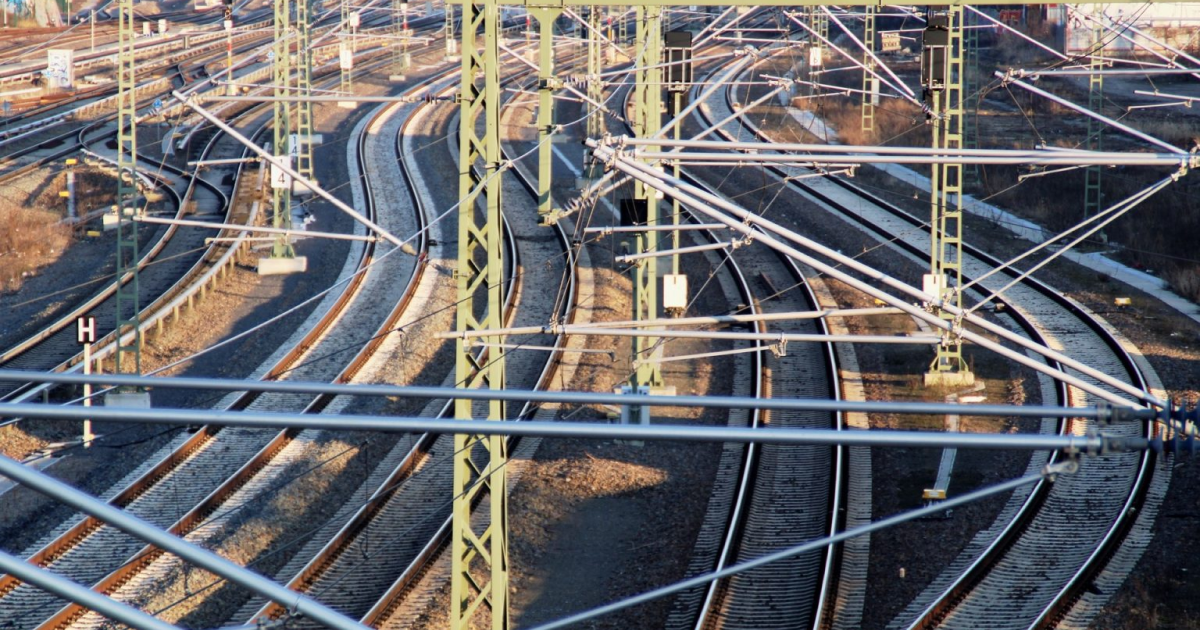
Germany’s leading industrial associations have issued a joint urgent appeal to the government over the rapid rise and unpredictability of track access charges. The business community warns of critical pressure on the freight transport sector and a threat to the competitiveness of German industry as a whole. This is stated in a press release from the German Steel Association (WV Stahl).
The joint appeal was initiated by the Chemical Industry Association (VCI), the Fuel and Energy Association (en2x), the Paper Industry Federation (DIE PAPIERINDUSTRIE), the Economic Association of the Steel Industry (WV Stahl) and the Association of Freight Wagon Owners (VPI). They are calling on the authorities to promptly begin reforming the railway charges system and to introduce short-term measures to support businesses.
The situation has deteriorated significantly following the publication of the government’s draft federal budget for 2027. The document provides for a €65 million cut in funding for rail tariff subsidies, which will significantly increase the financial pressure on the rail logistics market.
Representatives of the associations emphasise that the negative trend in costs is hitting both railway operators and the industrial enterprises that use their services equally hard. The situation is compounded by a systematic decline in service quality: chronic train delays, low network reliability and logistical disruptions. Under current conditions, any further increase in tariffs is unacceptable.
Apart from the immediate financial burden, the lack of long-term planning remains a serious problem. The inability to forecast logistics costs hinders investment processes and complicates strategic decision-making in the supply chain.
The industrial sector calls for a fundamental review of the entire system for setting rail tariffs. The key areas of transformation should be:
- Ensuring the stable and predictable development of tariff policy in the long term.
- A fair distribution of infrastructure maintenance costs between passenger and freight rail transport.
- Legislative enshrinement of a transparent pricing mechanism for all types of rail transport.
- A direct link between the cost of rail services and proven improvements in the quality and capacity of the rail network.
The first steps towards stabilising the market must be implemented before the change to the train timetable in December 2026. The association considers the preservation of cost-effective subsidies for railway charges at least at the current level to be a top priority. At the same time, any additional financial burdens — in particular, increases in tariffs for heavy trains or the transport of dangerous goods — are categorically rejected.
In its official memorandum, the business community also proposes introducing effective economic incentives for the rail operator. These include a bonus-malus system for adherence to the timetable, as well as the provision of alternative diversion routes in the event of maintenance works at cost price, without the imposition of additional charges.
As reported by GMK Center, the European Business Association has appealed to the Ministry of Development, calling for a review of the proposed 30 per cent increase in rail freight tariffs. According to the business community, the potential negative consequences for the economy could outweigh the additional revenue that JSC Ukrainian Railways expects to generate from the tariff increase.
-

02 July 2026
10 July 2026
10 July 2026
10 July 2026