




News Global Market iron ore export 77 09 July 2026
Over the same period, Brazil saw its exports fall by 3.8% y/y
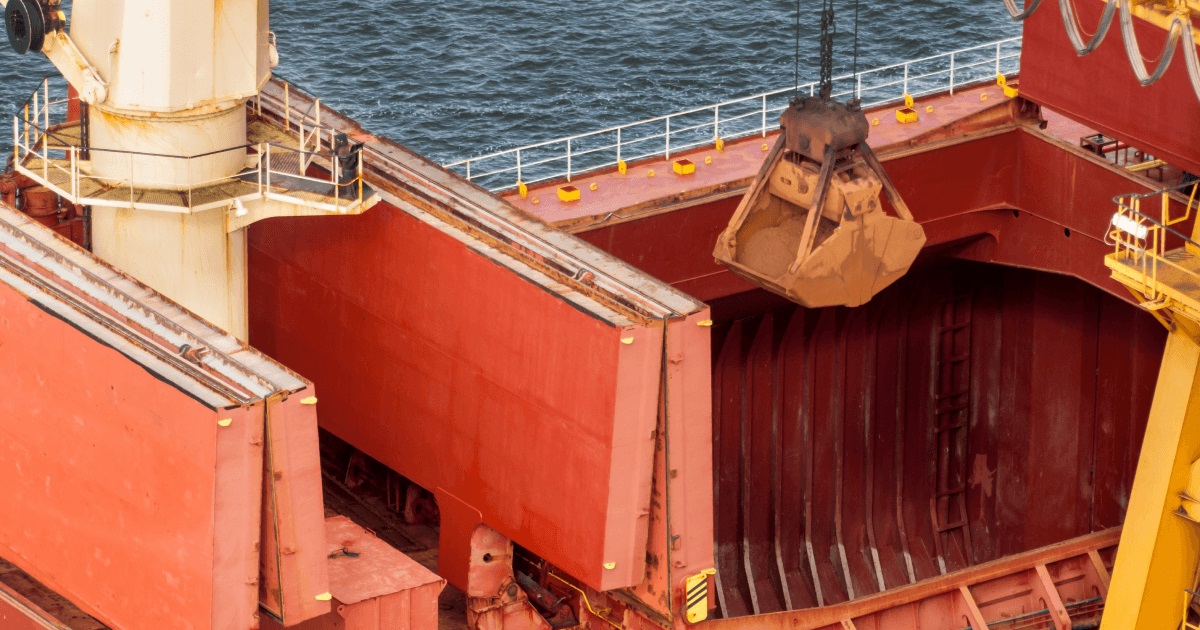
In the first half of 2026, global trade in iron ore and pellets showed mixed trends. On the one hand, the market was supported by stable shipments from the largest exporters and steady demand in Asia, particularly from China. On the other hand, the sector faced rising oil prices due to the conflict between the US and Iran, which drove up freight costs. Furthermore, increased production and anticipated supplies from the Simandou project in Guinea boosted the availability of raw materials on the market, putting further pressure on global prices. This is reported by BigMint.
Among the countries that recorded growth were Australia and India:
- Over the first six months of this year, Australia increased its iron ore exports by 7.8% year-on-year – to 451.7 million tonnes, whilst shipments of pellets rose by 10% year-on-year – to 1.1 million tonnes. China remained the key importer (375.1 million tonnes), increasing its purchases to offset the decline in its own production and to build up port stocks. The leading companies were Rio Tinto (156.1 million tonnes),
- BHP (145.9 million tonnes) and Fortescue (105.9 million tonnes).
India increased its ore exports by 23.9% year-on-year to 13.3 million tonnes during the period, driven by the weakening of the rupee and stable demand in China. At the same time, Indian exports of pellets fell by 32.8% year-on-year (to 2.2 million tonnes) due to a shift in global market priorities towards direct ore.
Brazil and South Africa both saw a decline in shipments:
Brazil saw its exports fall by 3.8% year-on-year in the first half of the year to 181.8 million tonnes. China remained the main buyer (126.7 million tonnes), where there continues to be strong interest in medium- and high-grade Brazilian ore to optimise blast furnace production.
South Africa reduced its iron ore exports by 5.5% year-on-year to 26.9 million tonnes in January–June. The main factors behind the decline were chronic logistical problems on the railways and fierce competition from Australian and Brazilian suppliers on sea routes. China remained the largest importer of South African ore (13.4 million tonnes).
According to analysts’ estimates, global trade volumes in iron ore will remain stable in the near term thanks to steady demand in the Asian region. However, the high level of current supply and the forthcoming commissioning of new capacity as part of the Simandou project will continue to hold back the rise in global prices.
As reported by GMK Center, the Simandou project (West Africa) has seen a rapid increase in supply volumes. The first vessel carrying ore set sail for China in November 2025, and by mid-May 2026, total exports had reached around 6 million tonnes. Consequently, annual shipments this year could exceed 20 million tonnes.
-

02 July 2026
09 July 2026
09 July 2026
09 July 2026