
News Global Market WTO 1015 01 May 2026
The organization discussed measures taken by the EU, the UK, and other countries to restrict imports of metal products
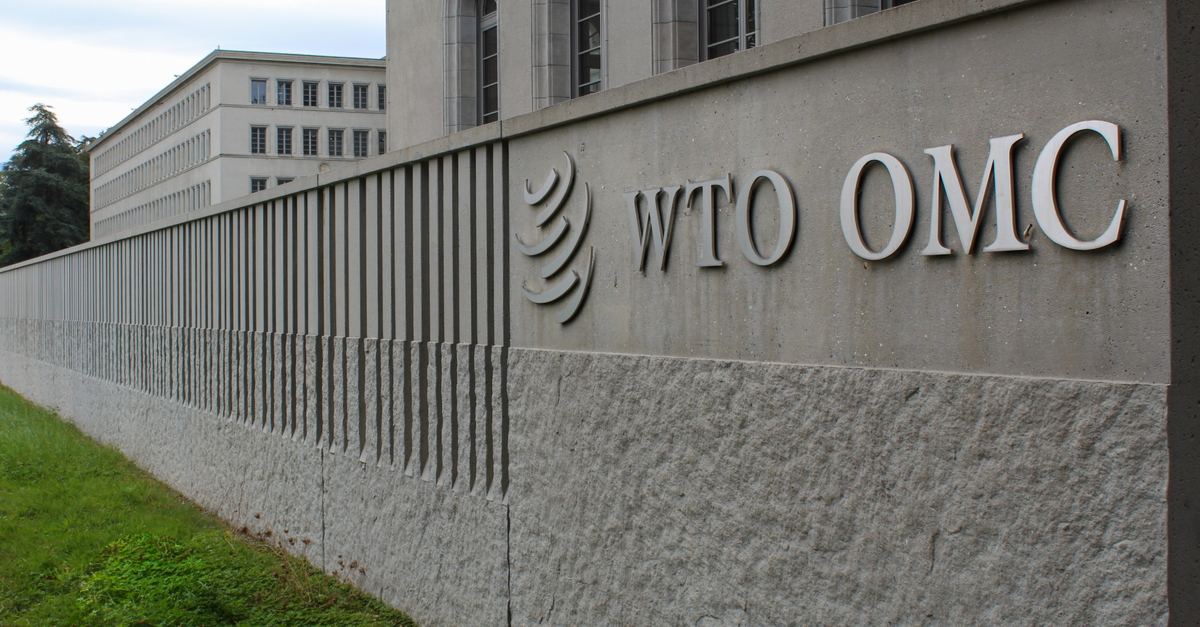
At its meeting on April 27, the World Trade Organization (WTO) Committee on Safeguards reviewed member countries’ policies on import restrictions, particularly in the steel sector. According to a press release, the analysis covered a total of 38 product lines, 12 of which were steel products.
These are measures notified since the previous meeting in October 2025. A significant portion of the discussions focused on actions by the European Union and the United Kingdom, which prompted numerous comments and remarks from other members of the organization.
Among the most discussed topics were the EU’s investigation into electrical grain-oriented steel and measures regarding ferroalloy products. Both cases raised concerns among several countries due to their potential impact on global markets and competition.
Special attention was given to the UK’s decision to review tariff quotas on steel imports. This issue became one of the most contentious—representatives from six WTO member countries expressed their positions on it.
Other countries actively applying protective measures include Indonesia, Madagascar, the Philippines, and Turkey. They accounted for nearly half of the new notifications considered during the meeting.
The actions of the United States were also discussed; the U.S. explained its tariff measures as being based on national security considerations rather than market protection tools. At the same time, India, Brazil, and China disagreed with this approach and expressed concern about its impact on the global trading system.
The next meeting of the WTO Committee on Safeguards is scheduled for October 2026.
As a reminder, the European Steel Association (EUROFER) previously called on the EU to introduce a new trade mechanism for steel as soon as possible following the publication of updated data from the Organization for Economic Cooperation and Development (OECD), which confirmed the deepening of the global crisis of excess capacity.