




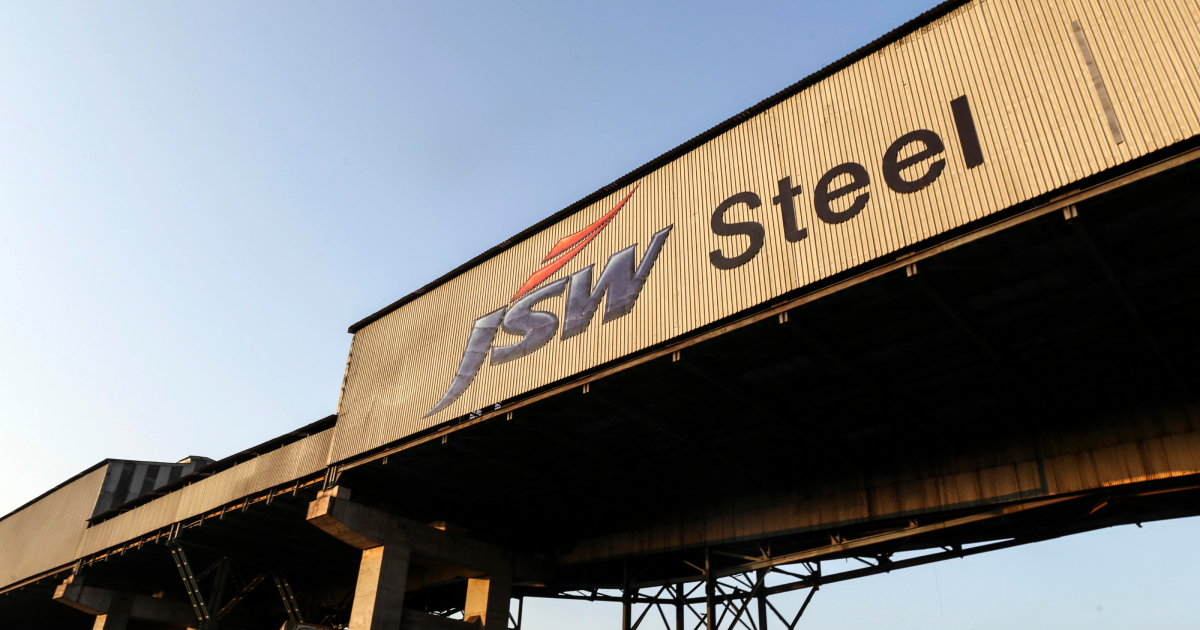
A division of JSW Steel warns of potential disruptions in the production of galvanized products due to a shortage of natural gas and propane
JSW Steel Coated Products, an Indian steel company and a subsidiary of JSW Steel, has appealed to the government for assistance in securing supplies of liquefied natural gas (LNG) and propane amid shortages caused by the conflict involving Iran. According to Reuters, citing a March 10 letter from the company to the federal secretary for steel, the manufacturer is requesting government intervention to prevent disruptions in operations.
In the letter, the company warned that any disruption to the production process would negatively impact its downstream customers and could lead to supply shortages in the relevant sectors. JSW Steel Coated Products is India’s largest manufacturer of coated steel products and supplies them, in particular, for food packaging, machinery manufacturing, and infrastructure projects. JSW declined to comment.
The appeal from the JSW division comes amid a broader gas crisis in the Indian steel industry. Reuters previously reported that the gas shortage has already disrupted operations at some of JSW Group’s steel plants, and one of its units may face a shutdown in the coming days. Meanwhile, India’s small steel producers have also warned of the risk of production halts due to fuel shortages.
The shortage was caused by disruptions in LNG supplies through the Strait of Hormuz amid the conflict in the Middle East. In response, India implemented emergency measures, prioritizing gas for critical sectors, which further reduced the availability of the resource for industrial consumers. The market is also experiencing supply issues with propane and liquefied petroleum gas, which is particularly problematic for manufacturers of galvanized and painted steel.
As a reminder, gas prices in Europe continue to rise amid the conflict in the Middle East. During the first week of the escalation (March 2–6), average European gas prices rose by nearly 50% to €45/MWh (prior to the escalation, this figure stood at €31/MWh). On March 9, according to ICE, TTF futures for the following month rose to €56.4/MWh—the highest level since mid-February 2025.
-

15 June 2026
18 June 2026

17 June 2026

17 June 2026