





News State electricity 3557 30 July 2025
The key reasons for the rise in electricity prices and the risks to the economy were outlined by the advisor to the CEO of ArcelorMittal Kryvyi Rih
The government was called upon to review its approach to regulating the electricity market in order to preserve the country’s industrial potential.
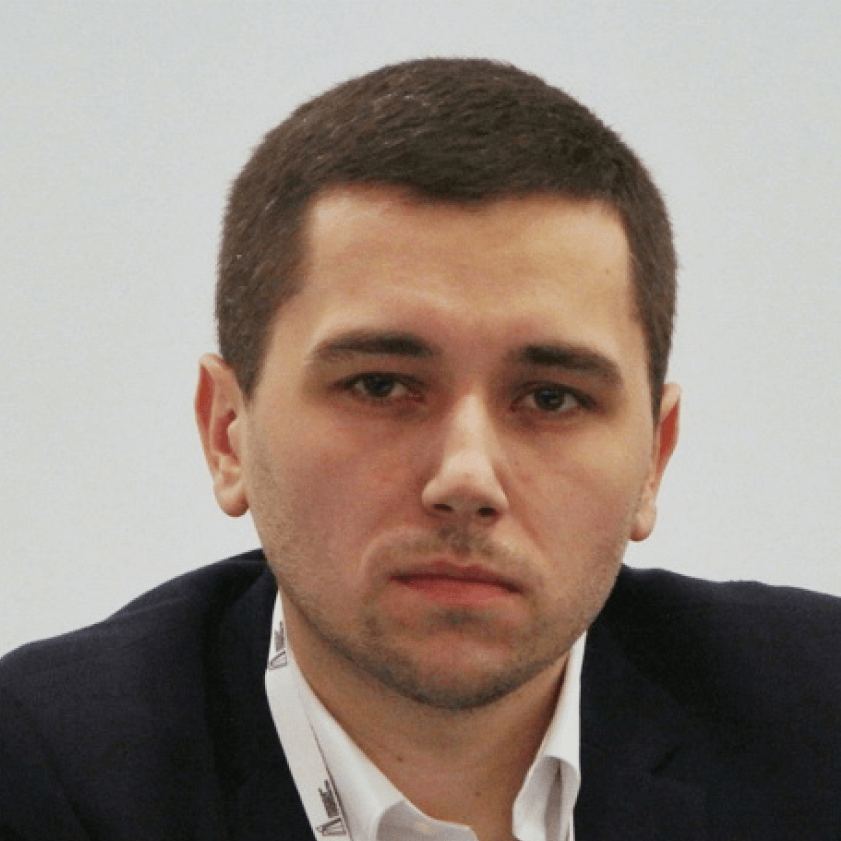
This was emphasized by Olga Buslavets, former Minister of Energy of Ukraine and advisor to the CEO of ArcelorMittal Kryvyi Rih, during her speech at the GMK Center round table “Ukraine’s electricity market: challenges for industry and the iron and steel complex.”
“I am not advocating for a particular industry, but for the Ukrainian economy. If nothing changes, the country may lose its steel industry, which would mean a 7% drop in GDP, thousands of jobs lost, and critical dependence on metal imports,” she said.
Buslavets named three main factors behind the rise in electricity prices:
- Limited competition in the market. Due to the loss of half of the generation capacity as a result of the war, electricity production has become almost equal to demand, which has deprived the market of fair pricing mechanisms. According to Buslavets, even the cheapest nuclear energy in short supply is sold at the highest possible prices. She proposes introducing mechanisms of artificial competition, in particular through the obligation to sell part of the resource at fixed prices.
- Regional imbalances. The loss of generation in the east and the construction of new capacities in the west have created a need for mass transportation of energy over long distances. This, in turn, leads to increased losses, costs for network reconstruction, and the use of more expensive generation in central regions.
- Rising tariffs of natural monopolies. Fees for electricity transmission and distribution are rising rapidly. According to Buslavets, the tariffs reflect long-standing unresolved problems, and the financial issues of energy companies are being resolved at the expense of consumers.
She also recalled that there are already examples of price support for industry in Ukraine. In particular, in 2020, large enterprises were able to purchase electricity from Energoatom on special terms.
“Does Ukraine need industry? If so, then it needs state support. European countries understand this and are actively implementing support policies,” Buslavets concluded.
Earlier, ArcelorMittal Kryvyi Rih called for fair pricing in the Ukrainian electricity market. Currently, the company is on the verge of survival. In 2021, electricity accounted for 7% of the product sales price, and in 2025, due to the dramatic increase in tariffs, this figure reached 20%.
-
Opinions Industry steel consumption
13 July 2026
14 July 2026
10 July 2026
09 July 2026