




News Global Market steel exports 212 16 July 2026
As the details of the new measures were only announced on 30 June, the market did not have time to prepare
Over the past few weeks, traders have been forced to divert large volumes of steel shipments intended for the EU market. This is due to the introduction, on 1 July, of new EU import measures, which involve a significant reduction in duty-free quotas and a doubling of tariffs to 50 per cent for shipments exceeding these quotas. This is reported by Argus. Media
The technical details of the new measures were only announced on 30 June, leaving market participants with no time to prepare. Contracts signed months ago, as well as shipments already at sea or in EU ports, have been subject to high duties. The situation is complicated by a two-week import freeze imposed by the EU, which means that the exact tariff rates remain uncertain.
To avoid the duties, suppliers are either redirecting their products or cancelling orders. The latter mainly concerns shipments that have not yet arrived in the EU. The option of postponing customs clearance until the next quarter is not very effective: port warehouses are already overflowing, and similar pressure on quotas is expected in the coming period. Furthermore, storing certain types of steel in the open air for three months risks spoiling the goods.
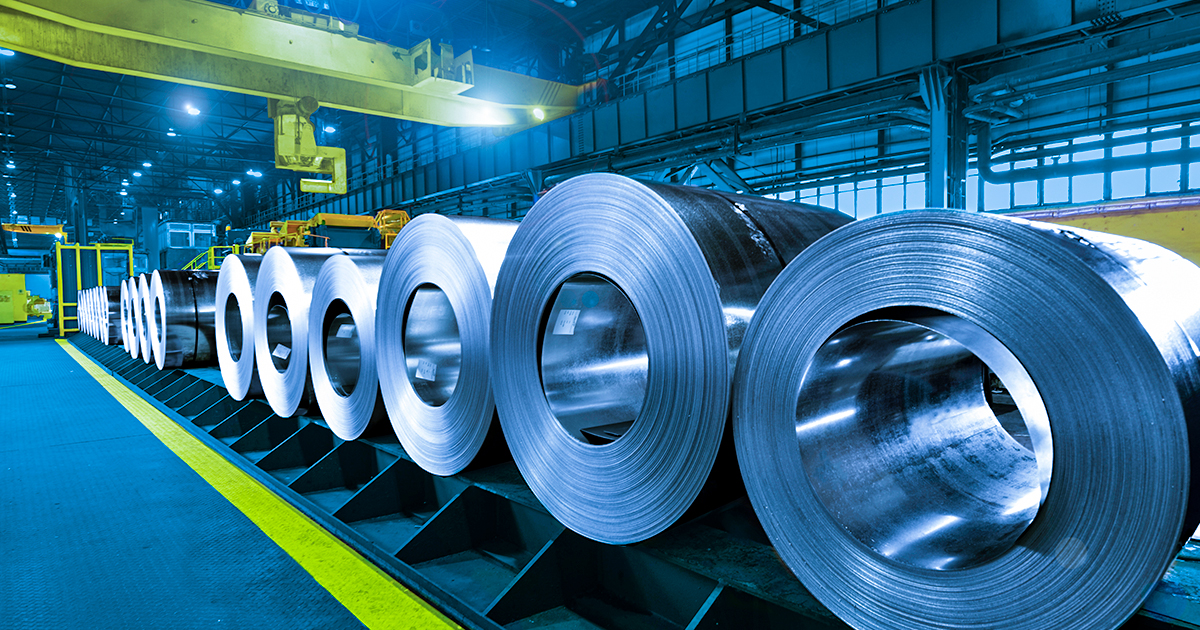
In particular, the change in routes has affected consignments of hot-rolled coil (HRC) from Indonesia and Thailand, some of which have been redirected to North Africa. Indonesia, which has become a key supplier to the EU over the past year, has been allocated a quarterly quota of just 31,000 tonnes.
Problems have also arisen with Turkish heavy plate, which is now classified as hot-rolled steel. The Turkish quota for HRC is currently the most in short supply: as of 14 July, over 370,000 tonnes of cargo were awaiting customs clearance, whilst the actual quota stood at 160,000 tonnes. Meanwhile, a vessel carrying cold-rolled steel from Brazil was redirected to the UK.
Against the backdrop of import disruptions, demand for products from European manufacturers has risen, as buyers are forced to make up for stock shortfalls. EU mills have seized the opportunity and raised their price offers by around €50 per tonne over the past week. However, further growth is being held back by seasonal factors and a weak economic backdrop.
As reported by GMK Center, steel importers from the EU are experiencing delays in customs clearance due to the new quota system. Although the general framework of the new system had been announced in advance, details regarding individual countries and remaining quotas were only published on 30 June, just one day before the relevant regulation came into force. This lack of clarity paralysed trading activity on the European coil market in June — buyers were unable to plan their purchases from either European or overseas suppliers.
-

Opinions Industry steel consumption
13 July 2026

16 July 2026
16 July 2026

16 July 2026