




News Global Market protective measures 2812 27 January 2026
According to the vote, new EU protective measures should include this position
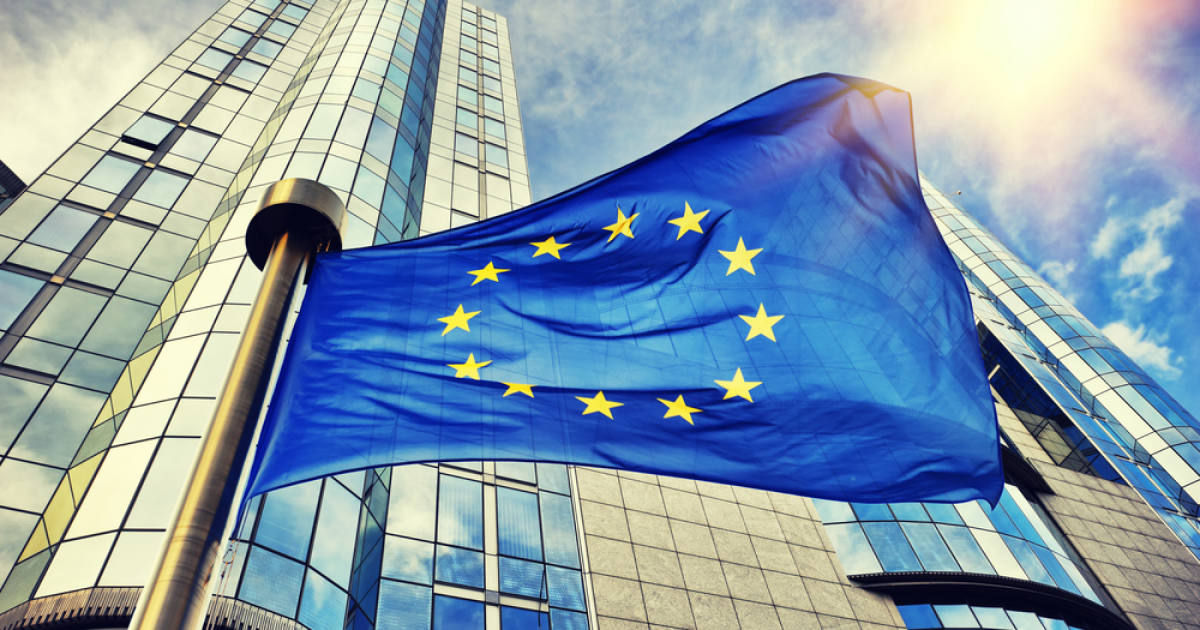
New EU measures on steel should include a ban on metal products from Russia and Belarus. This proposal was supported by the European Parliament’s International Trade Committee (INTA) on January 27, according to Politico.
The package of new protective measures proposed by the European Commission will cut steel import quotas to the bloc by almost half. It is designed to replace the current measures, which expire in June 2026, help address global overcapacity, and prevent metal products from being redirected to the European market due to US steel tariffs of 50%.
The committee adopted all the amendments that MEP and chief negotiator Karin Karlsbrood agreed with other groups. Thus, it will be put to a plenary vote as the Parliament’s position in negotiations with EU institutions.
At its plenary session in February, the European Parliament will have to vote again on the adoption of the relevant negotiating position before interinstitutional negotiations can begin. In particular, the EU legislature will have to engage in tough debates with the European Council. Although most steel imports from Russia and Belarus are banned under sanctions, the bloc is allowed to import certain products on the basis of exemptions requested by Belgium and the Czech Republic.
During the vote on January 27, INTA, according to the European Steel Association (EUROFER), did not support the reintroduction of unused quotas and approved stricter “smelting and casting” rules. Regarding the latter, the allocation of quotas should be determined by the country of origin, as confirmed by reliable and verified documentation, such as factory test certificates. A rapid review of the scope of protective measures within six months was also approved, allowing for the inclusion of additional steel derivatives and products.
As a reminder, on October 7, the European Commission presented a proposal to protect the EU steel industry. It includes limiting duty-free imports to 18.3 million tons per year, which is a 47% reduction compared to the 2024 steel quotas, and doubling the duty rate on products outside the quota to 50%.
-

Opinions Industry steel consumption
13 July 2026
21 July 2026
21 July 2026
21 July 2026