




News Global Market import quotas 112 07 July 2026
Interest in European metal products has increased on the market
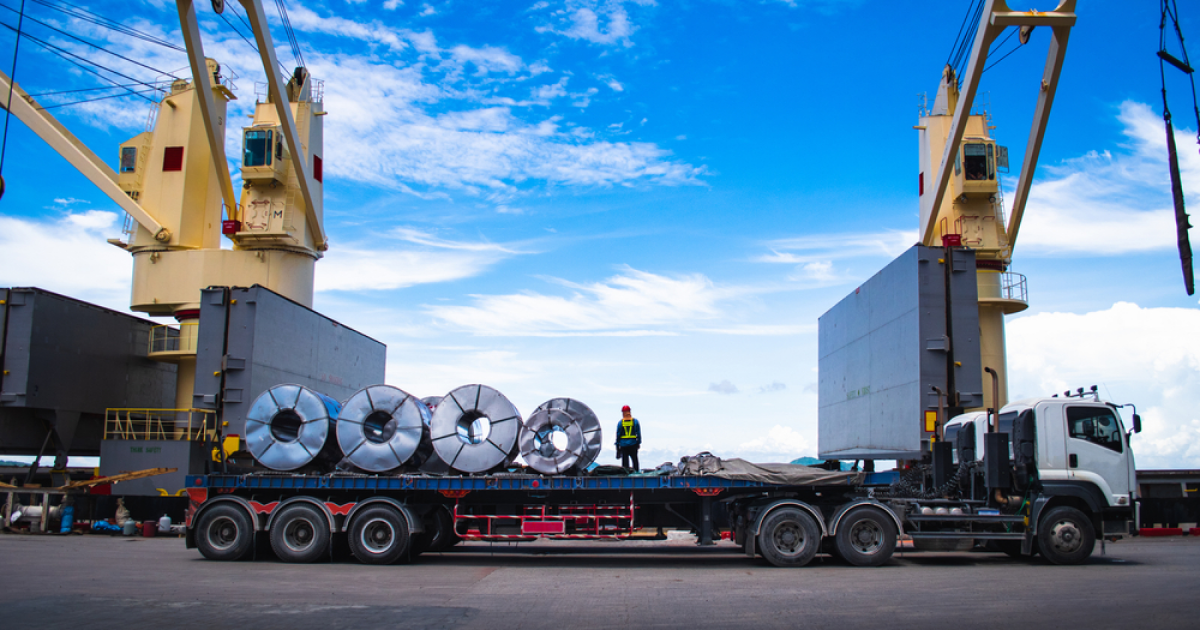
Steel importers from the EU are reporting delays in customs clearance due to the new quota system, which came into force on 1 July, according to OPIS.
Although the general framework of the new system had been published in advance, details regarding individual countries and remaining quotas were announced on 30 June, just one day before the relevant regulation came into force. This lack of clarity paralysed trading activity on the European coil market in June – buyers were unable to plan their purchases from either European or overseas suppliers.
As OPIS notes, citing market sources, EU customs authorities were not prepared to process imports under the new regulations due to the European Commission’s late announcement of the quota volumes. It may take them at least two weeks to determine which quotas have been exhausted and which importers are required to pay duties.
Uncertainty, lower-than-expected quotas for certain countries and large volumes of imported materials already in ports have prompted some buyers to revise their customs clearance plans.
Furthermore, interest in European steel has increased, as buyers have been unable to import the planned volumes. Market sources expect this to help domestic prices in Europe recover.
It should be recalled that on 30 June, the European Commission published an implementing regulation setting out the allocation of tariff quotas for steel imports amongst the EU’s trading partners.
As noted, half of the bloc’s annual import quota (18.3 million tonnes) is reserved exclusively for partners under free trade agreements. The remaining 9.15 million tonnes will be available to all trading partners without discrimination, including those with free trade agreements.
-

02 July 2026

07 July 2026

07 July 2026
07 July 2026