




News Global Market iron ore export 2396 04 February 2026
Compared to December, the indicator decreased by 11.4%
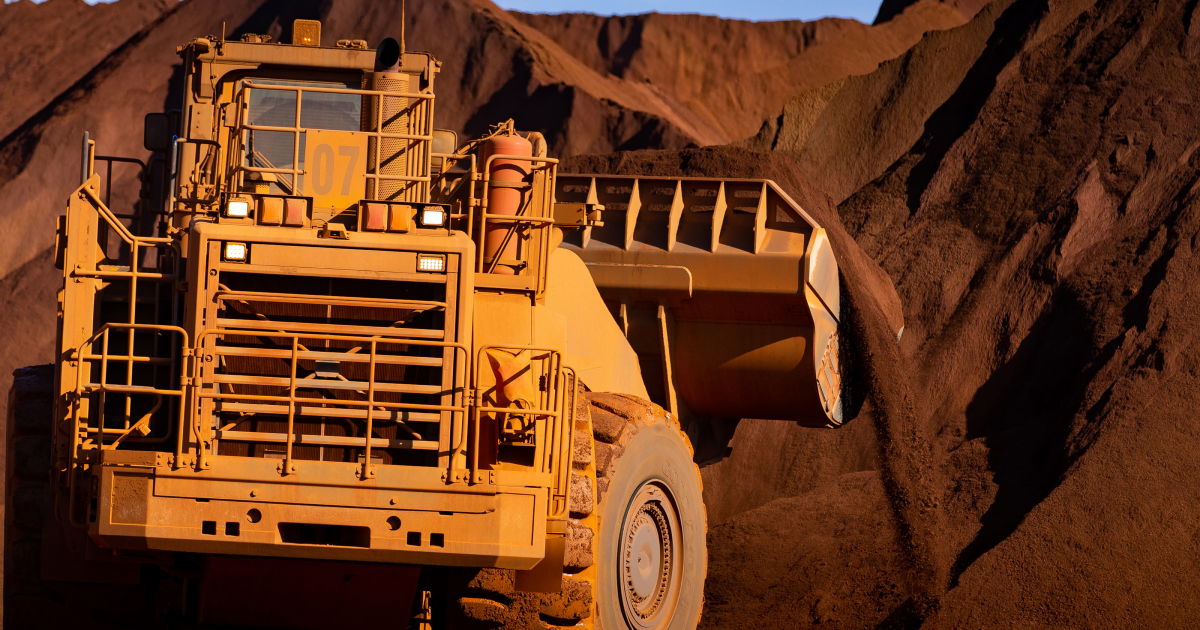
In January 2026, Australia increased its exports of iron ore and pellets by 19.8% year-on-year to 76.6 million tons. This is evidenced by data on ship composition collected by BigMint.
At the same time, compared to December 2025, this figure decreased by 11.4%.
China remained the main importer, accounting for 64.6 million tons of Australia’s total mineral exports for the period, followed by South Korea (4.6 million tons) and Japan (4.1 million tons).
Rio Tinto exported 25.9 million tons of iron ore in January this year, BHP – 24.1 million tons, and Fortescue Metals Group (FMG) – 18.7 million tons.
The decline in Australian mineral exports compared to December 2025 was due to low global demand during the New Year holidays. At the same time, increased stocks in China limited active booking. In addition, global mining companies are increasing production to meet their forecasts.
Overall, according to BigMint, exports of iron ore from key global producers — Australia, Brazil, South Africa, and India — declined in January compared to the previous month. This was facilitated by the accumulation of significant iron ore stocks in Chinese ports, and thus a decrease in the urgency of aggressive purchases by major global buyers.
It should be recalled that BHP is looking for alternative buyers for its ore amid a contract dispute with China. In December and January, the company shipped Jimblebar ore to Malaysia and Vietnam. Although these shipments are small compared to BHP’s annual production, the unusual deals demonstrate the Australian group’s efforts to diversify its buyers. The company previously stated that it is still negotiating the terms of an annual contract with China Mineral Resources Group and optimizing its sales channels.
-

Opinions Industry steel consumption
13 July 2026
26 July 2026
24 July 2026

24 July 2026